2026 Best Pickup Accessories for Global Buyers

Time:2026-09-23 Author:Oliver
0%

Choosing the right Pickup Accessories can transform a working truck into a safer, more practical, and more comfortable vehicle. For global buyers, the best choice depends on climate, road conditions, cargo habits, and vehicle compatibility. A bed cover may protect tools from heavy rain, while all-weather floor mats can contain mud after a long construction shift. Small details matter.

Real-world experience shows that fitment should come before appearance. Buyers should confirm the pickup’s model year, bed length, payload limits, mounting points, and electrical requirements. High-quality materials, corrosion-resistant hardware, clear instructions, and dependable supplier support are equally important. An attractive accessory is not useful if it rattles, blocks visibility, or fails after one season.

Weather changes everything.

This guide examines practical options for 2026, including tonneau covers, bed liners, running boards, roof systems, lighting, storage solutions, and towing-related equipment. Each category requires careful judgment rather than simple price comparisons. Products should meet applicable safety and environmental requirements in the buyer’s country, and professional installation may be wise for electrical or load-bearing components. Standards differ globally, sometimes in confusing ways. That deserves attention.

Some recommendations may not suit every truck or budget. Even experienced buyers can overlook clearance, warranty limits, or replacement-part availability. The goal is not to promote the most expensive equipment, but to identify reliable Pickup Accessories that match real driving conditions. A thoughtful purchase can reduce daily frustration, protect valuable cargo, and extend the vehicle’s useful life. Yet no accessory replaces regular inspection, responsible loading, and honest evaluation after installation.
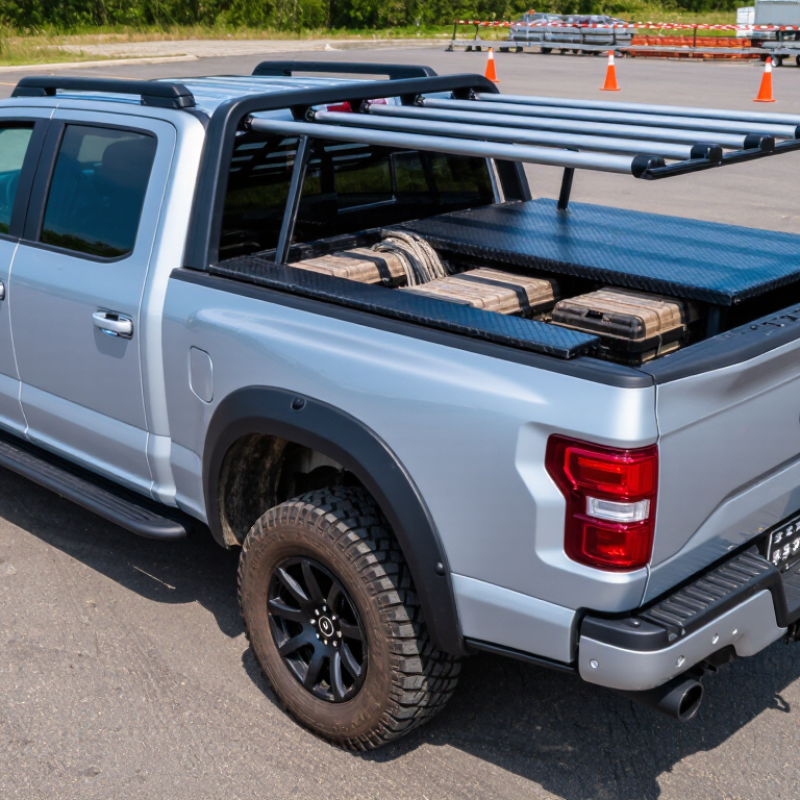
2026 Best Pickup Accessories for Global Buyers

Pickup Accessories: Categories, Functions, and Buyer Selection Criteria

2026 Best Pickup Accessories for Global Buyers

Pickup Accessories: Categories, Functions, and Buyer Selection Criteria

Pickup accessories serve different jobs: protection, storage, towing, comfort, and worksite organization. Bed covers reduce weather exposure, while liners resist scratches from tools, soil, and building materials. Tie-down systems keep loads stable during braking and cornering. Tow mirrors improve side visibility when a trailer blocks the standard view. Steps, rails, and modular storage boxes can also make daily use easier.

Selection should begin with the pickup’s model year, bed length, payload rating, and mounting points. Measure twice. A heavy rack may be useful, yet it can reduce available payload and increase wind noise.

Check load ratings, corrosion resistance, fastener quality, and installation instructions. For wet or dusty routes, inspect seals and drainage paths instead of trusting appearance.

For international buyers, confirm lighting, towing, and exterior-dimension rules before purchase, because regulations vary by market.

From practical fitting work, the simplest accessory often proves the most reliable. Steel can handle repeated abuse, while aluminum may reduce added weight. Ask suppliers for measured dimensions, test information, warranty terms, and replacement-part availability.

Reviews help, but they may hide unusual installation conditions. I once favored a polished storage unit and overlooked lid clearance. It looked excellent, but daily access became irritating. That mistake still shapes my checks: open every door, test every latch, and leave room for gloves.

Essential Accessories for Safety, Protection, and Daily Utility

2026 Best Pickup Accessories for Global Buyers

Essential accessories should make a pickup safer, cleaner, and easier to use every day. From practical testing, durable floor liners help contain mud, water, and loose gravel. A textured bed mat can reduce sliding and protect the cargo floor from scratches. These small upgrades matter after a long trip through rain, dust, or uneven roads.

Safety depends on correct fit and honest specifications. Choose tie-down straps with clearly stated working load limits, not vague strength claims. Add reflective markers only where local vehicle rules permit them. Secure toolboxes and cargo barriers firmly, while keeping rear windows, lights, and license plates visible. Check fasteners after the first few drives. They can loosen.

Protection is not only about appearance. A weather-resistant bed cover can shield equipment from sudden showers and direct sunlight. Heavy-duty mud flaps may reduce spray around busy roads. For daily utility, consider a compact air compressor, work gloves, a warning triangle, and a basic first-aid kit. Keep emergency items accessible.

Do not overpack.

Every pickup has different suspension limits, bed dimensions, and electrical systems. Measure carefully before ordering, and verify installation instructions for your vehicle’s market. I have seen attractive accessories become noisy, unstable, or difficult to remove. That is an imperfect lesson, but useful. Reliable equipment should support safe driving, not create another problem.

Performance, Comfort, and Technology Upgrades for Modern Pickups

For global pickup buyers, the best 2026 accessories should improve control without sacrificing daily comfort. Quality all-terrain tires, calibrated suspension components, and electronic brake controllers can sharpen handling under heavy loads. Always verify axle limits and tire load ratings. A stylish upgrade is useless if it reduces stability.

Comfort matters during long workdays. Seat-cushion support, cabin insulation, adjustable storage, and weather-resistant bed covers reduce fatigue and protect equipment. The U.S. Department of Transportation reports that distracted driving remains a major road-safety concern, so practical cabin organization also has safety value. Small improvements matter. However, poorly fitted storage can obstruct airbags or emergency access.

Technology is changing pickup expectations. The International Energy Agency reported nearly 14 million electric cars sold globally in 2023, representing about 18% of new-car sales. This trend supports accessories designed for battery monitoring, charging protection, and efficient energy use. Buyers should choose certified wiring, weather-sealed connectors, and compatible tire-pressure sensors. Aftermarket cameras and blind-spot systems can help, but they should not replace factory safety functions. A field-installation lesson is simple: compatibility claims are often optimistic. Check the vehicle’s exact model year, payload, software version, and local regulations before purchase.

Compatibility, Materials, Installation, and Maintenance Considerations

For global buyers, pickup accessories should begin with compatibility, not appearance. Measure bed length, rail width, mounting points, and cab clearance. Check model-year changes carefully. Two trucks with similar names may use different brackets. A useful test is simple: place the accessory beside the vehicle before opening the tools. If holes, seals, or wiring do not align, stop. Guessing creates expensive damage. I once treated a “universal” fit as truly universal. It was not.

Material choice depends on climate, workload, and maintenance habits. Powder-coated steel offers strength, but chipped edges can rust in humid or salty regions. Aluminum is lighter and resists corrosion, yet softer surfaces may dent under careless loading. Reinforced polymer can reduce weight and noise. It may age faster under intense sunlight. Look for consistent thickness, smooth welds, protected fasteners, and replaceable seals. Avoid vague promises. A stated load rating matters only when installation matches the instructions. That detail is often missed.

Installation should follow a measured sequence. Clean contact surfaces, use the correct torque, and keep drainage paths open. Do not drill until clearance is checked from every angle. After the first drive, inspect bolts, clamps, and vibration marks. Recheck them after heavy rain or rough roads. Wash road salt and fine dust from joints, then dry them fully. Lubricate moving parts with a suitable product. Inspect cracks early. Maintenance records help fleet buyers compare real service life, although records are sometimes incomplete. That weakness deserves attention. A small installation error can become a costly safety problem.

Global Sourcing, Quality Standards, Pricing, and Supplier Evaluation

2026 Best Pickup Accessories for Global Buyers

Global buyers should begin with use conditions, not catalog photos. For rough roads, cargo organizers, weather-resistant bed covers, and protective floor liners are practical choices. Confirm vehicle dimensions, mounting points, payload limits, and climate exposure before requesting quotations. A product that fits one pickup may fail on another model.

Quality evaluation needs more than a polished sample. Ask for material specifications, load ratings, corrosion tests, UV resistance, fastener grades, and clear installation instructions. Independent laboratory reports are more reliable than factory statements alone. Required markings and safety rules differ by market, so local compliance checks remain necessary. Small details matter, including carton strength, moisture protection, and replacement-part availability.

Pricing should reflect landed cost, not factory price alone. Compare tooling, samples, inspection, packaging, freight, duties, and minimum order quantities. An unusually low quote may hide thinner materials or weak packaging. Evaluate suppliers through audits, production records, traceability, and pre-shipment inspections. I once treated attractive product photos as useful evidence; that was a poor assumption. Physical samples exposed loose stitching and inaccurate dimensions. No checklist is perfect. Leave room for retesting, supplier delays, and honest quality disputes.

FAQS

What should buyers check before choosing pickup accessories?

Confirm the model year, bed length, payload rating, and mounting points. Measure twice. Also check load ratings, fastener quality, corrosion resistance, and installation instructions.

Which accessories help protect the pickup bed?

Bed covers reduce rain and sunlight exposure. Textured bed mats resist scratches from tools, soil, and building materials. Floor liners help contain mud, water, and loose gravel.

How can buyers keep cargo stable?

Use tie-down straps with clearly stated working load limits. Secure toolboxes and cargo barriers firmly. Check the fasteners after the first few drives because they can loosen.

What should buyers consider when selecting a roof rack or bed rack?

A heavy rack may reduce available payload and increase wind noise. Check its weight, mounting method, and corrosion resistance. Leave enough clearance for doors, lids, and gloves.

Which accessories improve towing visibility and control?

Tow mirrors can improve side visibility when a trailer blocks the standard view. Electronic brake controllers may improve control with heavy trailers. Verify axle limits, tire load ratings, and local towing requirements.

Are comfort and storage accessories useful for daily work?

Yes, seat support, cabin insulation, and adjustable storage can reduce fatigue. Keep storage away from airbags, rear windows, lights, and emergency access. A crowded cabin can create another problem.

What technology-related accessories suit newer or electric pickups?

Consider compatible tire-pressure sensors, battery-monitoring tools, and charging protection. Use certified wiring and weather-sealed connectors. Compatibility claims can be optimistic. Check the exact software version and vehicle configuration.

How should international buyers handle different regulations?

Confirm lighting, towing, reflective-marker, license-plate, and exterior-dimension rules before purchase. Requirements vary between markets. Appearance is not proof of compliance.

What emergency items are practical to carry?

Keep a compact air compressor, work gloves, warning triangle, and basic first-aid kit accessible. Do not overpack. Emergency equipment is less useful when buried under cargo.

What installation mistake should buyers avoid?

Test every door, latch, seal, and drainage path before regular use. I once chose a polished storage unit and overlooked lid clearance. It looked excellent. Daily access became irritating.

Conclusion

This guide to Pickup Accessories helps global buyers understand the main categories available for modern pickup trucks, including protective equipment, safety tools, storage solutions, exterior utility products, comfort upgrades, and technology enhancements. It explains how the right accessories can improve daily convenience, cargo protection, driving comfort, vehicle organization, and overall performance while supporting safer and more efficient use.

Buyers will also learn how to evaluate compatibility, materials, load capacity, installation methods, maintenance needs, and product durability before making a purchase. For international sourcing, the guide highlights the importance of clear specifications, consistent quality standards, reliable packaging, transparent pricing, production capability, sample testing, and supplier communication. By comparing function, fit, quality, cost, and after-sales support, buyers can select dependable Pickup Accessories that meet different vehicle requirements and regional market expectations.


Oliver

Oliver

Oliver is a seasoned marketing professional with a wealth of expertise in driving brand awareness and engagement. With a deep understanding of our company's product offerings, he consistently delivers high-quality content that enriches our professional blog. His insights not only shed light on......