Choosing the best Flat Tow Brake System for an RV is not simply a matter of buying the most expensive unit. The right choice depends on your vehicle weight, tow bar setup, motorhome braking performance, and travel habits. A compact car may need a different solution than a heavier SUV. That difference matters.
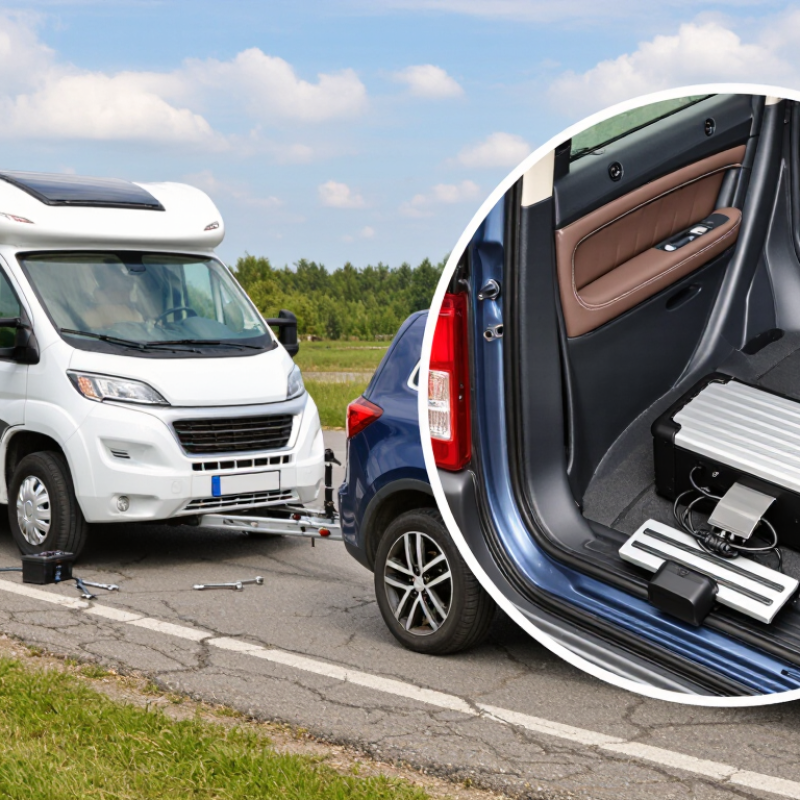
In real-world towing, small details become important. A portable brake unit should sit firmly on the driver’s floor, connect easily, and remain stable during repeated stops. Permanent systems can look cleaner and reduce setup time, but installation quality becomes critical. Poor pedal alignment, weak wiring, or an unreliable breakaway switch can create serious concerns. Experienced RV technicians usually inspect these points before recommending a system.
This guide compares major Flat Tow Brake System designs, including portable, proportional, and surge-style options. It considers braking response, installation effort, maintenance, compatibility, and long-term value. Manufacturer specifications provide a useful starting point. Independent testing, owner feedback, and professional inspection add valuable perspective.
The “best” system is rarely universal.
A careful buyer should also verify weight limits, electrical requirements, and tow vehicle compatibility. Local safety requirements may differ, so current official guidance deserves attention. Some products promise quick installation, yet real setup may involve awkward adjustments and repeated testing. That is easy to underestimate. We will examine those practical weaknesses honestly, rather than treating every advertised feature as a proven advantage. By the end, readers should have a clearer method for selecting dependable braking equipment for safer, more controlled RV travel.
What Is the Best Flat Tow Brake System for RVs?
Types of Flat Tow Brake Systems for RVs
Choosing a flat tow brake system starts with understanding its operating style. The RV Industry Association reported 11.2 million U.S. households owned an RV in 2023. Many owners tow compact vehicles, increasing the combined load behind the motorhome.
Proportional systems sense the RV’s braking force and apply similar pressure to the towed vehicle. They usually feel smoother during traffic stops. Progressive systems increase braking force gradually, which can reduce harsh pedal action. Time-delayed systems apply a preset braking level after the RV brake signal appears. They cost less in some cases, but adjustments matter. Too little force creates extra stopping demand. Too much force may cause wheel lockup.
Portable systems sit in the towed vehicle’s footwell. They install quickly and suit occasional travelers. Permanent systems connect through the vehicle’s brake circuit, offering cleaner operation and consistent alignment. Breakaway protection is also essential. Federal Motor Carrier Safety Administration rules, including 49 CFR 393.43, recognize the importance of emergency braking protection for towed equipment, although recreational vehicle requirements vary by jurisdiction.
A practical check helps. Place the controller firmly against the seat, inspect the cable, and test braking in an empty lot. The vehicle should slow without pulling sideways. Road surface, tire pressure, battery condition, and tow-bar geometry can change performance. No system is perfect. Even experienced owners sometimes overlook calibration after a vehicle change. Review the vehicle manual and current local requirements before every long trip.
| Brake System Type | How It Operates | Typical Installation | Power Source | Braking Response | Main Advantages | Common Limitations | Best Suited For | Overall Convenience |
|---|---|---|---|---|---|---|---|---|
| Portable Inertia-Based System | Uses an internal accelerometer to detect deceleration of the motorhome and applies braking force in the towed vehicle. | Placed on the floor in front of the driver’s seat and connected to the brake pedal, power outlet, and wiring harness. | Usually powered by the towed vehicle’s 12-volt electrical system. | Good | Can be moved between compatible vehicles; normally does not require permanent modifications. | Must be positioned and secured correctly each time; floor angle and seat position can affect setup. | Owners who tow different vehicles or want a removable system. | High |
| Portable Proportional System | Combines vehicle deceleration with an adjustment that determines how aggressively the towed vehicle follows the motorhome’s braking. | Installed inside the towed vehicle and connected to the brake pedal, electrical power, and motorhome brake-light signal. | Typically uses the towed vehicle’s 12-volt battery or accessory power circuit. | Very good | Provides smoother braking than a simple on/off controller and can be removed when the vehicle is driven separately. | Requires setup before each trip and may need sensitivity adjustments for different road and load conditions. | Travelers seeking removable equipment with more controlled braking behavior. | High |
| Permanently Installed Proportional System | Uses a fixed electronic sensor and control module to apply the towed vehicle’s brakes in proportion to the motorhome’s braking. | Installed beneath the dashboard or in another protected area, with permanent wiring to the brake pedal and lighting circuits. | Connected to the towed vehicle’s electrical system. | Very good | Quick daily hookup, clean appearance, consistent operation, and minimal equipment inside the passenger compartment. | Higher installation complexity; generally remains with one vehicle and may require professional installation. | Owners who regularly tow the same vehicle and prioritize convenience. | Very high |
| Vacuum-Assisted System | Uses the towed vehicle’s existing brake booster or a supplemental actuator to provide power-assisted braking. | Requires connection to the brake pedal, vacuum system, electrical wiring, and sometimes a dedicated control module. | Uses the towed vehicle’s electrical system and vacuum-assist components. | Very good | Can provide a natural pedal feel and smooth braking when correctly matched to the vehicle. | Compatibility depends heavily on the vehicle’s braking and vacuum systems; installation is more involved. | Vehicles with suitable brake-booster compatibility and owners seeking integrated operation. | Medium to high |
| Hydraulic or Air-Assisted Integrated System | Uses the motorhome’s braking pressure or an integrated actuator to coordinate braking in the towed vehicle. | Requires specialized hydraulic, air, or electronic connections between the motorhome and the towed vehicle. | Powered by the motorhome’s hydraulic or air-brake system, often with electrical control support. | Excellent when compatible | Can deliver highly coordinated braking and reduce dependence on a loose portable unit. | Limited vehicle compatibility, more complex installation, and more demanding inspection and maintenance. | Specific motorhome and towed-vehicle combinations designed for integrated braking. | Medium |
| Surge-Actuated Towed Braking System | Uses the forward pressure created when the towed unit pushes against the towing connection during deceleration. | Usually integrated into a compatible trailer or tow-coupler assembly rather than placed inside the vehicle. | Primarily mechanical; some designs may include electrical components for monitoring or lighting. | Good | Can operate with limited electrical dependence and responds automatically to forward load. | Generally intended for trailers or specially designed towing arrangements, not ordinary four-wheel-down vehicle towing. | Compatible trailers or specialized flat-tow applications, subject to vehicle and equipment approval. | Medium |
| The best system depends on vehicle compatibility, towing frequency, installation preference, braking performance, and applicable local regulations. Always verify that the chosen system is approved for four-wheel-down towing and that the motorhome, towed vehicle, tow bar, safety cables, lighting, and supplemental braking equipment are compatible as a complete setup. | ||||||||
Proportional systems match braking force to the motorhome’s slowdown. Progressive systems build force gradually. Time-delayed systems use preset braking levels.
A proportional system often feels smoother during traffic stops and downhill driving. It can reduce pushing from the towed vehicle.
Yes. Portable units sit in the towed vehicle’s footwell and install quickly. Remove the unit after the trip.
Permanent systems connect with the vehicle’s brake circuit. They usually provide cleaner operation and consistent alignment.
It can apply emergency braking if the towed vehicle separates. Keep the cable secure. Test the feature safely before long trips.
Review the vehicle manual, curb weight, hitch rating, and towing method. Confirm compatibility with electronic, hydraulic, or regenerative brakes.
Check the pedal clamp, cable tension, wiring, battery connection, and breakaway switch. Test braking in an empty parking area.
Low tire pressure, weak battery power, poor alignment, and road surfaces can change braking response. A loose clamp may delay braking.
Not always. I once valued installation speed too much. Limited adjustment can matter more than quick setup.
Request an inspection after vehicle changes or major service. Ask for checks on pedal travel, wiring, and rear-light operation.
Choosing the best Flat Tow Brake System for an RV depends on the towing setup, vehicle weight, braking needs, and the driver’s comfort with installation and operation. Common options include portable systems, permanently installed systems, proportional systems that match the RV’s braking force, and time-delayed systems that apply braking after a preset interval. Each type offers different benefits in convenience, control, storage, and adjustment. A reliable system should provide smooth braking, easy setup, clear status indicators, adjustable sensitivity, and compatibility with both the RV and the towed vehicle.
Before installation, confirm that the vehicle can be flat towed and follow its approved towing procedures. Check electrical connections, mounting points, battery requirements, and emergency breakaway functions. Regular inspections should include brake settings, cables, wiring, connectors, and hardware, especially before long trips. Drivers should also understand the towing regulations that apply to their route, including requirements for auxiliary braking, lighting, safety cables, and testing. Proper selection, installation, maintenance, and responsible operation help improve control, reduce stopping stress, and create a safer RV towing experience.

 Hongkai Auto