In the realm of global sourcing, the importance of selecting the right Heavy Duty Parts cannot be understated. Industry experts emphasize the crucial role these components play in maintaining operational efficiency. For instance, John Anderson, a renowned authority in heavy machinery, once stated, "Quality parts are the backbone of any effective sourcing strategy." His insight underscores the necessity of sourcing high-quality heavy-duty components from reliable suppliers.
As companies expand internationally, the demand for Heavy Duty Parts grows. However, the journey isn't always smooth. Sourcing can involve complexities and uncertainties. Companies must navigate various suppliers and assess product reliability. Each decision carries weight. Additionally, the variation in standards across regions can lead to unexpected challenges. Understanding these nuances is key.
Investing in high-quality Heavy Duty Parts can significantly impact operational efficiency. It can reduce downtime and improve productivity. However, balancing cost against quality remains a continuous challenge. Companies often grapple with decisions that might seem straightforward but require deep analysis. Reflecting on sourcing strategies can lead to better outcomes, ensuring that companies capitalize on the potential of their heavy-duty components.
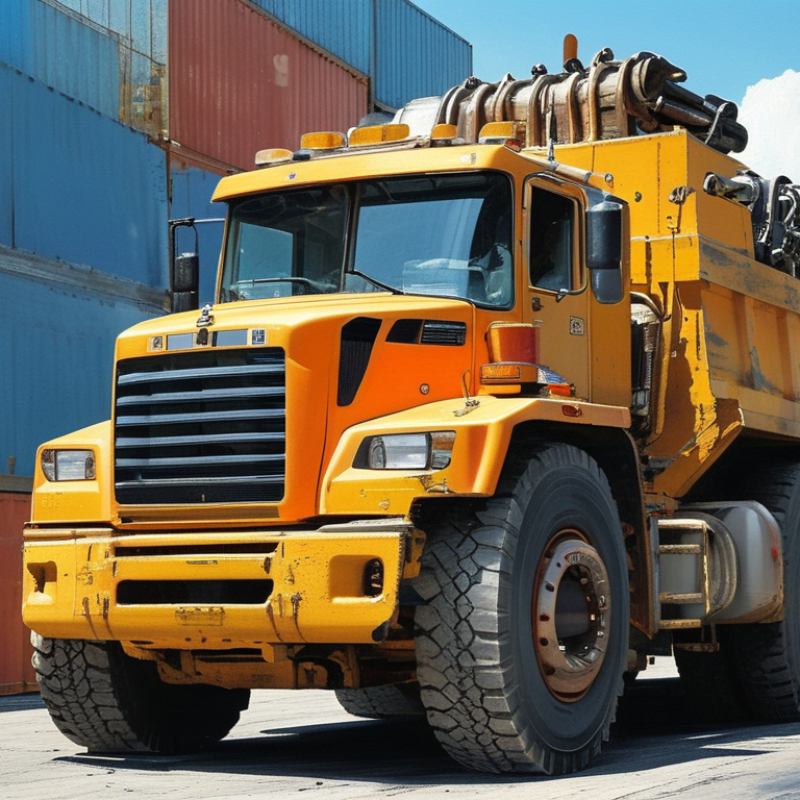
The global sourcing of heavy-duty parts requires a comprehensive understanding of market dynamics. Many companies strive to source components that are not only high-quality but also cost-effective. With the rise in demand for heavy machinery across various industries, suppliers have emerged from different regions. Understanding local regulations and quality standards is crucial. Sourcing from reputable manufacturers and distributors remains a priority for companies seeking reliability.
Navigating the complexities of global sourcing can be challenging. Variations in quality and compliance must be considered. Language barriers and cultural differences can complicate negotiations. A thorough assessment of potential suppliers is essential. Companies often face uncertainties regarding shipping costs and lead times. Therefore, establishing strong relationships with suppliers can mitigate risks. Regular audits and performance evaluations are critical in ensuring ongoing quality.
The landscape of heavy-duty parts sourcing is continually evolving. As technology advances, the integration of digital platforms has changed procurement processes. Data-driven insights help companies make informed decisions. However, reliance on technology can pose risks. The need for human oversight remains vital. Balancing automated systems with human expertise can lead to more effective sourcing strategies. Companies must continually reassess their approaches to adapt to these changes.
In the realm of global sourcing, demand for heavy-duty parts continues to rise. Recent studies indicate that the market for heavy-duty components is projected to grow at a compound annual growth rate (CAGR) of 5.5% from 2023 to 2030. This growth is driven by several key factors.
One significant factor is the increasing investment in infrastructure and construction projects worldwide. The value of global construction is expected to reach $10 trillion by 2025, according to industry reports. This surge fuels the need for robust machinery, consequently elevating demand for durable parts. Additionally, the rise of e-commerce has accelerated logistics operations, prompting the need for heavy-duty trucks and transport equipment.
However, sourcing these parts can be a complex task. Challenges include quality assurance and supply chain disruptions, which can slow down production times. Companies often face difficulties in finding reliable suppliers who meet specific technical requirements. An imbalance between supply and demand can lead to increased costs and project delays. Effective strategies are thus essential to navigate these challenges efficiently.
This chart illustrates the demand for heavy duty parts across different regions in 2023. The data indicates the increasing reliance on heavy duty components in various industries, showcasing the market's growth potential.
The global heavy-duty parts market is evolving rapidly. Recent statistics show that the market is projected to grow at a CAGR of 6.5% between 2021 and 2028. This growth is driven by increasing demand for durable and efficient components in construction and logistics industries. Major manufacturers are restructuring their production data to meet these demands effectively.
A deep dive into market share reveals that several key players dominate the industry. Approximately 40% of the market is held by the top five manufacturers, which indicates high competition. Despite the dominance of these firms, many smaller manufacturers are emerging. They often provide cost-effective solutions, catering to niche markets. This diversification can bring both opportunities and challenges.
Tip: When sourcing, consider both large and small manufacturers for a balanced approach. Smaller firms can offer personalized service and flexibility.
In addition, the reliability of heavy-duty parts is paramount. The importance of quality assurance processes cannot be overstated. Flaws in manufacturing can lead to costly repairs and project delays. Therefore, it’s essential to scrutinize production data and quality control practices before making sourcing decisions. Keeping up with industry standards will ensure you choose parts that meet your project’s specific needs.
| Part Type | Manufacturer A (%) | Manufacturer B (%) | Manufacturer C (%) | Total Market Share (%) |
|---|---|---|---|---|
| Hydraulic Cylinders | 25 | 35 | 20 | 80 |
| Heavy Duty Axles | 30 | 25 | 15 | 70 |
| Industrial Tires | 40 | 30 | 20 | 90 |
| Pumps and Motors | 35 | 25 | 30 | 90 |
| Brakes and Suspension | 20 | 30 | 25 | 75 |
Sourcing strategies for heavy duty parts are crucial in today's globalized market. A recent report by the International Organization for Standardization states that effective sourcing can reduce costs by up to 30%. This statistic highlights the importance of selecting the right suppliers. Quality control is equally essential, as poor quality components can lead to significant long-term expenses and safety risks.
In the heavy duty parts sector, balancing cost and quality is challenging. Many companies face the dilemma of selecting cheaper parts that may eventually fail or investing in higher-quality components that offer longevity. A study from the Engineering Enterprise Institute reveals that companies that prioritize quality in their sourcing enjoy 20% more product reliability. However, finding these quality suppliers can take considerable time and effort. Often, businesses overlook potential suppliers due to minor price differences, which can be shortsighted.
Regular audits and supplier evaluations are critical. Some firms neglect this aspect, leading to inconsistencies in product quality. Establishing long-term relationships with reliable suppliers can offer stability in both pricing and quality. However, businesses must remain vigilant and conduct periodic reviews. This approach not only enhances product reliability but also fosters innovation through collaborative improvements.
The global sourcing of heavy-duty parts is evolving rapidly. Sustainability and innovation are at the forefront of this shift. Companies are re-evaluating their supply chains to reduce environmental impact. Material sourcing is becoming critical. Eco-friendly materials are gaining traction as manufacturers seek greener alternatives.
Innovation plays a vital role in this transformation. The use of advanced technologies, such as artificial intelligence, can optimize sourcing processes. AI helps in predicting demand and reducing waste. Digital platforms are emerging to streamline the procurement of heavy-duty parts. However, reliance on technology can also introduce risks.
Not every innovation will lead to immediate benefits. Companies must be cautious with new technologies. The learning curve can be steep, and costly mistakes may happen. Balancing sustainability with efficiency remains a challenge. Stakeholders need to ensure that new methods align with their long-term goals. Engaging in continuous evaluation will help improve sourcing strategies over time.
: Increased investment in global infrastructure and construction projects contributes significantly to the growing demand.
The market for heavy-duty components is projected to grow at a CAGR of 5.5% from 2023 to 2030.
Companies often struggle with quality assurance and supply chain disruptions that hinder production times.
Flaws in manufacturing can lead to costly repairs and delays, making quality assurance paramount.
Yes, smaller firms can offer personalized service and flexibility, addressing niche market needs.
Companies must balance choosing cheaper parts with the risk of higher long-term expenses and failures.
Effective sourcing can reduce costs by up to 30%, highlighting the importance of selecting the right suppliers.
Some firms may overlook suppliers due to minor price differences, which can lead to shortsighted decisions.
Regular audits are key; neglecting this can result in inconsistencies in product quality over time.
Establishing long-term relationships offers stability in pricing and quality, leading to enhanced product reliability.
The article "Best Heavy Duty Parts for Efficient Global Sourcing" provides a comprehensive overview of the current market landscape for heavy duty parts, highlighting key factors that are driving demand globally. Emphasis is placed on the importance of understanding market dynamics, including customer needs and technological advancements, which can significantly influence sourcing strategies.
Additionally, the article outlines effective strategies for sourcing heavy duty parts, focusing on optimizing cost and quality. Future trends are also discussed, highlighting the growing importance of sustainability and innovation in the heavy duty parts sector. As the market evolves, these aspects are expected to play a crucial role in shaping sourcing decisions and competitive advantage for companies operating in this space.

Hongkai Auto