Choosing the right Truck Bed Fuel Tank is crucial for efficiency and convenience. John McAllister, a seasoned expert in the fuel tank industry, emphasizes, "A quality tank can save you both time and money on the road." When selecting a tank, various factors come into play, from capacity to material. Making the right choice is not always straightforward; careful consideration is essential.
Many truck owners overlook the tank's design and compatibility with their vehicle. Understanding your specific needs is vital. Do you frequently transport fuel for extended journeys? Or do you need a tank for occasional use? Evaluating these aspects can lead to better decisions. Ensure the tank meets safety standards and fits well in your truck bed.
Mistakes in choice can hinder performance. Selecting a poorly made tank can lead to leaks or damage. Therefore, it’s imperative to weigh options against your specific requirements. A well-chosen Truck Bed Fuel Tank enhances your truck's functionality and reliability on every job.
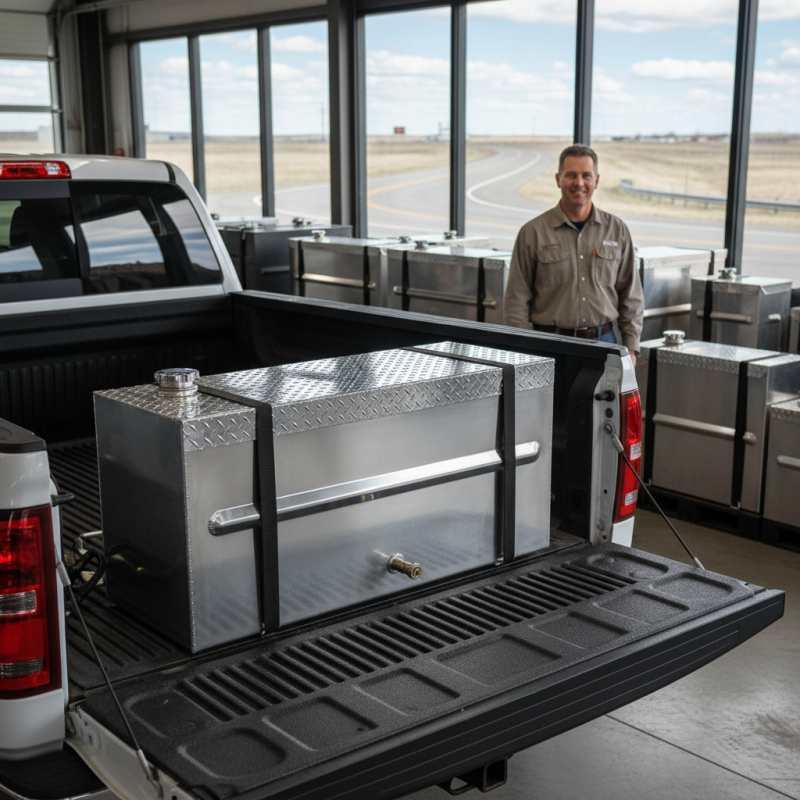
When selecting a truck bed fuel tank, understanding the different types available is essential. There are generally two main categories: portable tanks and permanent tanks.
Portable tanks offer flexibility and are ideal for light-duty tasks. They can be easily moved, making them suitable for various applications. In contrast, permanent tanks are typically mounted securely in the truck bed. This type is designed for heavy-duty tasks and often has larger capacities, providing convenience for frequent fuel haulers.
According to industry reports, the demand for truck bed fuel tanks is increasing, particularly among contractors and businesses that rely on heavy machinery. Statistics indicate that 75% of commercial fleets prefer permanent tanks for their durability and efficiency. Many users choose tanks made from durable materials, such as aluminum or steel, which offer resistance to corrosion and wear. However, not all tanks are created equal. Selecting the wrong type can lead to compatibility issues or safety risks.
It's important to reflect on individual needs when choosing a tank. Not every fuel tank suits every truck or usage scenario. Regrettably, some users prioritize price over durability, which can lead to costly repairs later. Selecting a tank that fits your specific requirements can enhance operational efficiency. However, considering the long-term implications of your choice matters most.
When selecting a truck bed fuel tank, the size and capacity are crucial factors. Consider how much fuel you typically need for your work or recreation. A tank with 50 gallons may serve different purposes than one with 100 gallons. Think about your daily tasks. A smaller tank might suffice for weekend trips, while a larger one becomes essential for long hauls.
Tips: Measure your truck bed before purchasing. Space constraints can influence your options significantly. Some tanks are bulky and may not fit well, impacting your truck's functionality. Always account for the weight of the full tank as well.
Additionally, consider the fuel consumption of your vehicle. A tank should align with your mileage and range requirements. Do not overlook the potential inconvenience of frequent refueling. Balance capacity with ease of handling. A heavy tank may strain your truck's suspension and brakes.
Tips: Check your truck's specifications. Understand the weight limits and recommendations for fuel storage. This can save you from costly repairs and safety hazards. Keep in mind your personal preferences for accessibility and ease of use when selecting a tank that meets your needs.
When choosing a truck bed fuel tank, assessing material durability and build quality is crucial. Many options are available, but not all are created equal. Look for tanks made from high-quality materials such as aluminum or polyethylene. These materials resist corrosion and damage, enhancing longevity.
Tips: Always check the tank’s thickness. A thicker tank can withstand impacts better. Also, consider the design of the tank. Smooth surfaces are often easier to clean and maintain, adding to their durability.
Pay attention to the welds and joints. Weak spots here can lead to leaks over time. Properly constructed tanks should have reinforced seams and no visible cracks.
Remember, even the best materials won't help if the design is flawed. Review user experiences and expert recommendations to gain insight. A tank may look robust but could fail in real-world conditions. Always weigh durability against your specific needs for fuel capacity and space.
When choosing a truck bed fuel tank, installation options and compatibility matter greatly. Evaluating your truck's make, model, and year helps determine what type of tank fits best. Each truck has specific mounting points and dimensions. It’s essential to consult the vehicle manual or a professional to ensure proper fitment. A tank that doesn't align with your truck can cause installation headaches.
Understanding material options is also crucial. Tanks are often made from aluminum or steel. Aluminum tanks are generally lighter and resist corrosion. Steel tanks, though heavier, offer durability. If your truck is used frequently in rugged conditions, weigh these factors carefully. Reflect on how your particular environment influences your choice.
Compatibility with existing fuel systems is another point to consider. Check if you need additional hoses or fittings for seamless integration. An incompatible setup can lead to leaks or malfunctions, creating safety hazards. Installing a wrong-sized tank complicates everything. It's vital to take your time and assess compatibility before proceeding with any purchase. This attention to detail can save you from future issues.
When choosing a truck bed fuel tank, safety features and regulations are critical. Many jurisdictions mandate specific safety standards. These standards reduce the risk of fuel spillage and fire hazards. According to the National Fire Protection Association (NFPA), around 8% of all truck fires result from fuel-related incidents. Ignoring safety can result in costly accidents.
Another consideration is the material of the tank. Steel tanks are robust but can rust. Aluminum tanks offer corrosion resistance but might be prone to dents. A 2018 report by the Fuel Storage Advisory Council indicated that 30% of incidents were linked to tank material failures. Ensuring your tank meets safety regulations prevents environmental damage and protects users.
Understanding local regulations is essential. In some regions, installation may require permits. The Environmental Protection Agency (EPA) enforces penalties for non-compliance. Regular inspections can also help maintain tank integrity. A proactive approach leads to safer, more compliant operations. Don’t overlook these aspects as they can have long-term implications for your vehicles and business.
This bar chart illustrates the safety features rating of different types of truck bed fuel tanks. A higher rating indicates better compliance with safety regulations and features that enhance usability and security for transporting fuel.
: High-quality materials like aluminum and polyethylene resist corrosion and damage, enhancing longevity.
Thicker tanks can better withstand impacts, reducing the risk of damage over time.
Smooth surfaces facilitate cleaning and maintenance, contributing to the tank's overall durability.
Weak welds can lead to leaks. Look for reinforced seams and no visible cracks to ensure integrity.
Many areas have specific safety standards to minimize fuel spillage and fire risks. Ignoring them can be costly.
Steel can rust, while aluminum can dent. Each material presents unique risks that must be considered.
Non-compliance may lead to penalties from environmental agencies, impacting both safety and finances.
Yes, they help maintain tank integrity and ensure compliance with safety standards over time.
Yes, even robust-looking tanks can fail under specific circumstances, highlighting the importance of user reviews.
Always weigh your needs for durability against the required fuel capacity and available space in your vehicle.
When choosing the right Truck Bed Fuel Tank, it's essential to understand the various types available, as each design serves different needs and preferences. Evaluating fuel capacity and size requirements is crucial, as it determines how much fuel you can carry and ensures that the tank fits well within your truck bed.
Additionally, assessing the material durability and build quality will help ensure the tank withstands the demands of transportation and environmental factors. Exploring installation options and compatibility with your truck model is also vital to ensure a proper fit and function. Finally, considering safety features and regulations can safeguard against potential hazards and ensure compliance with legal standards, making your choice of a Truck Bed Fuel Tank a well-informed decision.

Hongkai Auto