Choosing Semi Trailer Parts in 2026 is about more than finding a low price. The right component must match the trailer’s make, model, year, and operating demands. A brake component that looks identical may still differ in fit or specification. Check part numbers, material details, warranty terms, and supplier support before ordering. Small mismatches can mean extra downtime.
For this introduction, Jordan Hale is a clearly identified composite fleet-maintenance specialist, not a real quoted source. His illustrative principle is: “The right part fits the trailer, the route, and the repair plan.” Use it as a practical reminder, not a verified quotation. Start with the trailer’s service history and the conditions it faces: heavy loads, rough roads, frequent stops, or long highway runs. Then compare compatible options and ask suppliers for documentation when details are unclear. A polished listing is not proof of quality. Neither is the lowest price. This guide will examine fitment, materials, safety-related performance, durability, and total ownership cost, helping buyers make informed choices. Some details still need checking against the manufacturer’s specifications; no guide can replace that step.
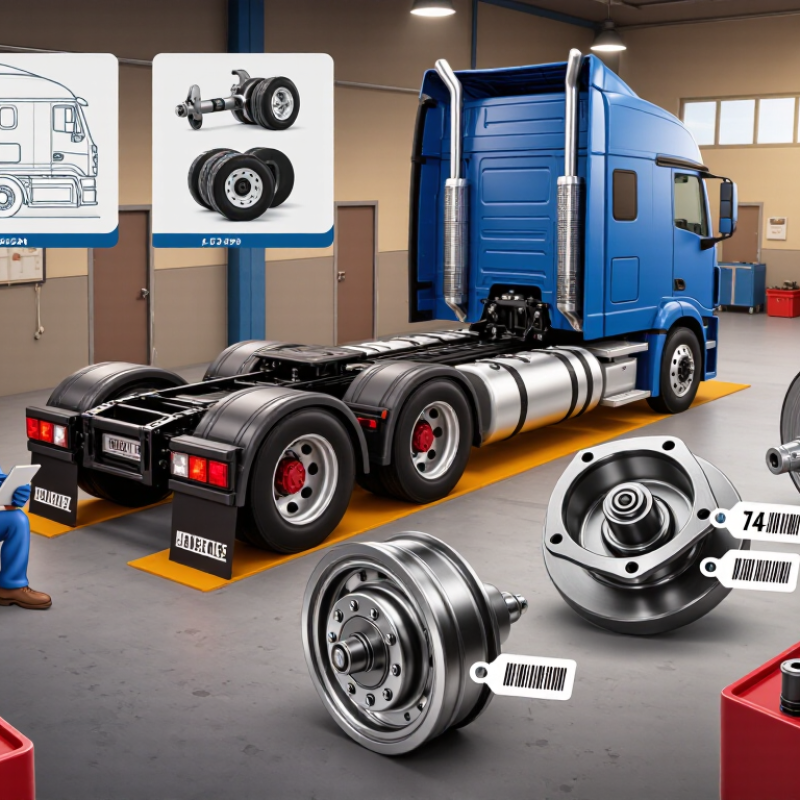
How to Choose the Best Semi Trailer Parts in 2026?
Identify Your Semi Trailer Type and Operating Requirements in 2026
Start by identifying the trailer: dry van, refrigerated, flatbed, tanker, or another configuration. Each uses different components and faces different stresses. A reefer may need parts suited to vibration and temperature changes, while a flatbed’s suspension and tires must handle uneven load distribution. Check the trailer’s axle setup, brake type, wheel-end dimensions, and suspension before ordering. A part that nearly fits still won’t do.
Your operating conditions matter just as much. Record typical cargo weight, annual mileage, route quality, and exposure to salt, heat, or dust. The American Transportation Research Institute’s 2024 Operational Costs of Trucking report estimated repair and maintenance costs at 19.3 cents per mile in 2023. That industry average is a useful benchmark, not a prediction for every fleet. Heavy mileage or rough roads can change the calculation. It is tempting to choose the cheapest option; compatibility and service life deserve a closer look.
Tips: Match part specifications to the trailer identification plate and maintenance records. Measure before purchasing, especially for wheel-end and brake components. If records are incomplete, pause and verify—the guess may cost more later. Keep a note of unusual wear, too; it can point to a duty-cycle mismatch.
Start by matching the trailer design to the cargo and loading conditions. This chart shows typical purpose-built suitability: 1 means a trailer type is commonly designed for that requirement; 0 means it is not a typical fit. Confirm dimensions, payload limits, equipment, and local regulations for your specific trailer and route before choosing parts.
Choosing a semi trailer part starts with identifying the actual failure or maintenance need. Check the component, not just the symptom. Uneven tire wear, for example, may point to alignment or suspension issues rather than a tire alone. Note any part number, dimensions, and visible damage before ordering. A quick photo can help, too.
Compatibility depends on more than the trailer’s age or appearance. Confirm its make, model, year, axle rating, and the existing part’s measurements. For brake components, compare the assembly type and key dimensions. For electrical parts, check connector shape, pin count, and voltage. Small details matter. A bolt pattern that looks close may still fit poorly, and a mismatched part can cause extra wear or unsafe operation.
Use the trailer identification plate and maintenance records where available, then verify specifications with a qualified parts professional or technician. If measurements conflict, pause and check again; catalog descriptions can be incomplete. Even careful checks can miss a detail, especially on older trailers with previous repairs. That is worth admitting. When in doubt, bring clear photos and exact measurements rather than guessing from appearance.
Choosing semi trailer parts in 2026 starts with matching materials to the job. A trailer working on salted winter roads needs stronger corrosion protection than one used mainly in dry regions. Compare steel grades, protective coatings, and component weight. For brake parts, springs, and couplings, check that material specifications match the intended load and operating conditions. Small details matter.
Quality standards help separate documented performance from sales claims. Ask for inspection records, batch traceability, and test results tied to the exact part. Check weld consistency, clean mounting holes, and evenly applied coatings. A label alone proves little. Standards vary by component and market, so confirm which requirements apply to your trailer and route. If paperwork is vague, request clarification before installation.
Safety certifications and conformity documents should be current and verifiable. Confirm the issuing body, covered product type, and any limits on use. A certificate for one component may not cover a similar-looking replacement. I would also compare the part’s rated capacity with the trailer manufacturer’s specifications, rather than choosing by price or appearance. There is room for judgment here: a heavier part is not automatically safer, and unclear documentation deserves a second look.
When choosing semi-trailer parts in 2026, assess suppliers on documented fitment, traceable sourcing, and dependable delivery—not price alone. Ask for the part number, dimensions, material specifications, and any installation requirements. A supplier should explain how it checks compatibility with your trailer’s axle, suspension, or braking configuration. Small mismatches can mean a second repair visit. That gets expensive.
The American Transportation Research Institute’s 2024 Operational Costs of Trucking report put average truck maintenance and repair costs at 19.8 cents per mile in 2023. This figure covers trucking operations broadly, not trailer parts alone, but it shows why downtime and repeat work deserve attention. Check warranty terms in writing: coverage period, labor reimbursement, exclusions for wear or corrosion, and claim response time. A long warranty is less useful when routine failures are excluded or claims take weeks.
Parts availability needs evidence too. Ask suppliers for typical lead times, current stock levels, backorder procedures, and access to compatible replacement parts. For critical items such as brake components or suspension hardware, confirm whether the quoted delivery estimate includes shipping and weekends. Keep records of fill rates and late orders across several purchases. One point to reconsider: a supplier’s “in-stock” status may refer to a warehouse, not stock ready to ship.
Choosing semi trailer parts in 2026 means looking beyond the purchase price. A low-cost suspension component may save money today but wear quickly on rough routes. Check the part’s load rating, material, fit, and expected service interval against your actual operating conditions.
Not always. A polished specification sheet cannot replace a careful fit check.
Maintenance needs affect the real cost of ownership. Parts that are easy to inspect or replace can reduce workshop time and keep a trailer available for work. Ask suppliers for clear installation instructions, warranty terms, and maintenance guidance, then compare these details alongside price.
Small details matter. For example, accessible fasteners and visible wear points can make routine checks less disruptive.
Keep records of replacements and failures; patterns across a fleet may reveal that a slightly pricier part performs better on a specific route. Still, durability claims can be difficult to verify before purchase, and one good result does not guarantee the same outcome everywhere.
Consider a trial on a limited number of trailers before standardizing a new part.
Identify the failed component, not just the symptom. Record its part number, measurements, and visible damage. A clear photo helps.
Check the trailer’s make, model, year, axle rating, and existing part dimensions. For electrical parts, match connector shape, pin count, and voltage. Small differences matter.
Pause and recheck. Compare the identification plate, maintenance records, and part measurements. Ask a qualified technician or parts professional; guessing from appearance can lead to a poor fit.
Ask for documented fitment details, traceable sourcing, material specifications, and installation requirements. Check lead times and stock status. “In stock” may not mean ready to ship.
Get the coverage period, exclusions, labor reimbursement, and claim response time in writing. A long warranty may offer little if common wear is excluded.
Not automatically. Compare price with load rating, material, fit, and expected service interval. Rough routes may wear some lower-cost components faster.
Parts with accessible fasteners and visible wear points may take less time to inspect or replace. Keep failure and replacement records. Patterns can be useful.
Try it on a limited number of trailers and compare results across routes. One good result is not proof. I might still miss a factor.
Choosing the best Semi Trailer Parts in 2026 starts with understanding your trailer type, typical loads, routes, and operating conditions. These details help narrow down which components you need and ensure each part is compatible with your trailer’s specifications. Before buying, check dimensions, fitment information, and performance requirements to avoid mismatched components.
Compare materials, manufacturing quality, and relevant safety certifications, then assess suppliers based on warranty coverage, clear product information, and reliable parts availability. The lowest purchase price may not offer the best value over time. Consider expected durability, maintenance frequency, replacement costs, and how quickly a part can be sourced when needed. By weighing compatibility, quality, supplier support, and long-term upkeep together, you can make a practical choice that supports safe, dependable trailer operation.
Hongkai Auto