Choosing China’s best Bumpers For Trucks requires more than comparing prices. A strong bumper must match the truck’s frame, weight, suspension, and working environment. It should also protect vital components without creating new risks during impact. The right choice begins with accurate vehicle information.
John Borba, a longtime truck-accessory product specialist, offers a practical principle: “A bumper should protect the truck without becoming the truck’s weakness.” That idea matters when reviewing Chinese manufacturers. Ask about steel grade, plate thickness, weld penetration, powder-coating preparation, and corrosion testing. Request precise drawings, mounting photographs, and load-test records. A polished catalog is not enough.
Look closely.
For highway trucks, bumper weight can influence fuel use and front-axle load. For construction vehicles, recovery points, approach angle, and ground clearance deserve greater attention. A bumper with attractive styling may still block sensors, lights, or factory tow equipment. I have seen buyers focus heavily on appearance, then discover expensive fitting problems after delivery. That mistake is avoidable, although not every supplier will provide perfect information.
Reliable manufacturers explain tolerances, inspection procedures, packaging methods, and replacement support. They should communicate clearly about customization, production samples, and delivery schedules. Check whether the mounting system uses reinforced brackets rather than decorative additions. Confirm that the finished product suits the truck’s actual duty cycle.
China offers capable factories, but quality varies widely. Do not choose from photographs alone. Compare evidence, testing, materials, and after-sales communication. A careful decision may take longer. It usually costs less than correcting a poorly fitted bumper later.
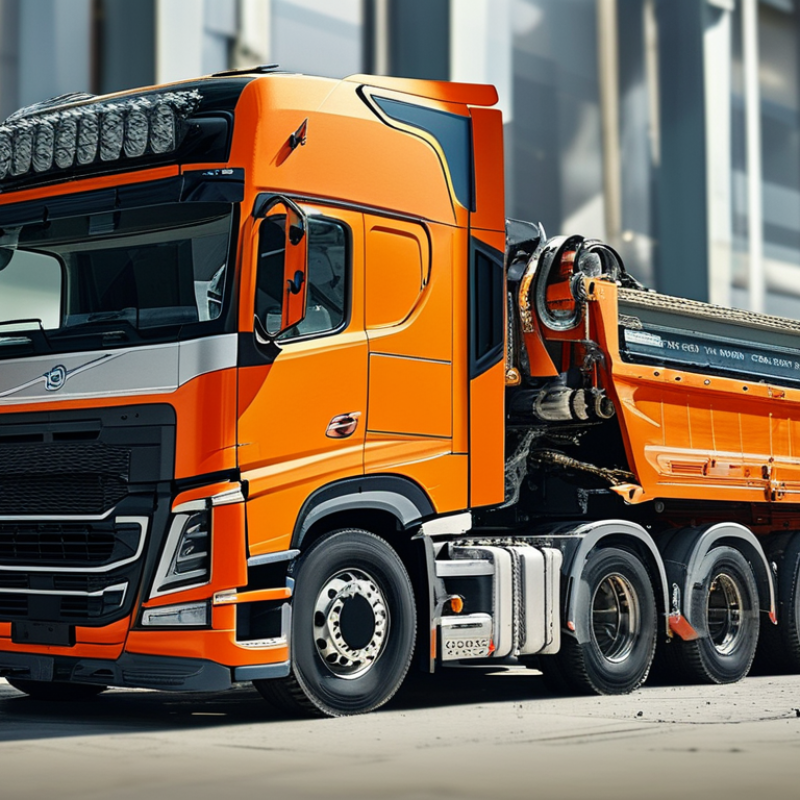
Capacity should guide bumper selection, not appearance. Check the door-label GVWR first. NHTSA defines GVWR as the maximum loaded vehicle weight set by the manufacturer. Subtract the truck’s actual curb weight, passengers, tools, fuel, and accessories. The remainder is practical payload. Include bumper weight. That small detail is often missed.
Towing capacity needs separate attention. SAE J2807 evaluates trailer performance, including weight, cooling, braking, and grade ability. A bumper cannot increase the truck’s certified tow rating. Check trailer tongue weight, too. It commonly uses 10–15% of trailer weight, but the vehicle’s manual remains the controlling source. A scale is better than guessing.
Winch choice needs a safety margin. For a 3,500–5,000-pound truck, a 6,000–9,000-pound winch may suit controlled recovery work. Heavier trucks may need 9,000–12,000 pounds. A common field rule suggests winch capacity near 1.5 times gross vehicle weight, but terrain, mud, slope, and pulley use change the result. The rating is not bumper capacity. Recovery points must transfer force into the frame, with verified fasteners and adequate mounting plates. Ask for load testing and material certificates from the manufacturer. I would not trust a polished finish alone. The numbers deserve inspection.
: Check the door-label GVWR first. Subtract curb weight, passengers, fuel, tools, accessories, and the new bumper. The remaining amount is your practical payload. Do not forget the bumper’s weight. That detail is often missed.
No. A bumper cannot increase the certified tow rating. Check the vehicle manual for towing limits. Also measure trailer tongue weight with a scale. It commonly equals 10–15% of trailer weight. Guessing can create problems.
A 3,500–5,000-pound truck may suit a 6,000–9,000-pound winch. Heavier trucks may require 9,000–12,000 pounds. Mud, slopes, terrain, and pulley use change the calculation. A 1.5-times vehicle-weight rule is only a field guideline. It is not a guarantee.
No. Winch rating and bumper capacity are different measurements. Recovery points must transfer force into the frame. Check mounting plates, fasteners, and bracket design. Ask for load-test records and material certificates. A shiny finish proves very little.
Request the exact vehicle application and relevant testing clauses. Review the report date, laboratory, vehicle configuration, and identification details. Ask for test conditions, impact locations, bumper height, and vehicle weight. Photographs alone are weak evidence. Request the complete report.
No. A low-speed test shows limited performance under specific conditions. It cannot predict every crash or recovery situation. Check whether the test applies to your vehicle type and market. A redesigned bumper needs fresh testing. Old reports may mislead.
Check weld penetration, mounting brackets, fastener grades, and corner alignment. Inspect clearance around lights and other safety equipment. Look for sharp projections or distorted mounting points. Compare the finished unit with the tested configuration. Paperwork is not enough.
Compare three written quotations with identical specifications. Review certification scope, expiry dates, load-test details, warranty exclusions, MOQ, and lead time. Include tooling, samples, production, inspection, and shipping. Ask about delay procedures and claim response times. A cheap quote may become expensive later.
Confirm coverage for cracks, coating failure, weld defects, and installation exclusions. Check who pays replacement freight. Request written response times and previous claim information. Two years may sound strong. It may not be.
Choosing the right Bumpers For Trucks requires more than comparing appearance or price. Start by defining the vehicle’s GVWR, payload, towing needs, and intended winch capacity, typically ranging from 3,500 to 12,000 pounds. Evaluate construction details such as 3–6 mm steel plate, consistent weld quality, corrosion-resistant coating thickness, and overall structural design. Compliance should also be confirmed through relevant requirements, including GB 15741, FMVSS 581, and documented 2.5-mph impact testing where applicable.
Fitment is equally important. Check mounting points, parking sensors, approach angle, ground clearance, and compatibility with the truck’s existing systems before ordering. When comparing suppliers, request ISO 9001 certification, load-test reports, warranty terms, minimum order quantities, and realistic lead times. A dependable supplier should provide clear specifications, inspection records, and responsive technical support. By reviewing performance, safety, fitment, and service together, buyers can select bumpers that provide reliable protection and practical value for their specific truck applications.

 Hongkai Auto