The world of 4 Wheel Drive Parts is vital for off-road enthusiasts and professionals alike. According to a recent industry report by the Automotive Aftermarket Market Research Institute, the 4WD parts market has seen a steady growth rate of approximately 6.5% annually. Expert John Carter, a leading figure in 4WD innovations, states, "Quality parts can make or break your adventure." This emphasizes the significance of choosing the right components for your vehicle.
A well-equipped 4 Wheel Drive system enhances performance and ensures safety in challenging terrains. Many drivers overlook the importance of adequate maintenance and quality upgrades. Common pitfalls include neglecting essential components like differentials and gearing systems. A survey conducted by Off-Road Vehicles Association found that nearly 40% of off-roaders experience failures due to subpar parts.
Understanding the top 10 essential 4 Wheel Drive Parts can enhance both the durability and capability of your vehicle. From transfer cases to suspension systems, each component plays a crucial role. Investing in reliable parts is not simply about performance; it’s about ensuring a secure and enjoyable driving experience. As the industry evolves, so should the knowledge and choices of drivers.
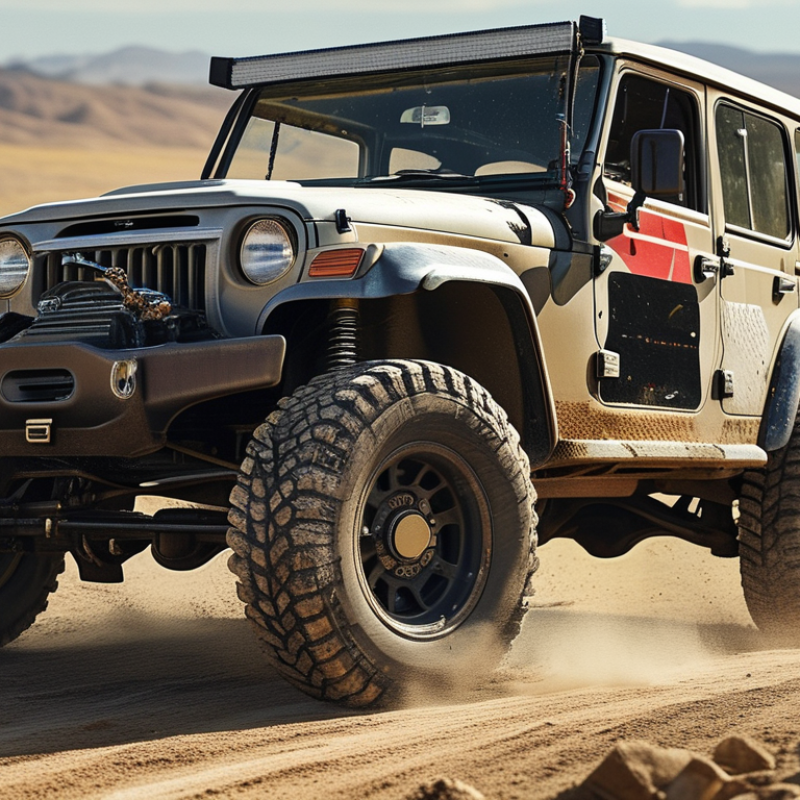
When selecting parts for your four-wheel drive (4WD) vehicle, performance is key. Begin by considering the type of terrain you'll navigate. Off-roading in rocky landscapes requires different parts than driving on highways. Each environment demands specific durability and traction levels. It’s crucial to match parts with your vehicle's intended use.
Next, evaluate the materials used in the components. High-quality steel or aluminum can enhance durability and weight distribution. Focus on the specifications of gear ratios as well. Incorrect gear ratios can lead to poor performance and reduced fuel efficiency. Don't overlook compatibility issues either; ensuring that new parts fit seamlessly with your existing system is vital.
Keep in mind that sometimes, less is more. Excessive modifications can lead to complex problems down the road, affecting vehicle handling. Consider starting with essential upgrades that improve traction and stability before diving into more extensive improvements. Reflect on the feedback from fellow enthusiasts as well; their experiences can guide you in making informed decisions about reliable parts that fit your needs.
When it comes to enhancing off-road capability in 4 wheel drive vehicles, understanding essential components is key. One critical part is the transfer case. This device transfers power from the transmission to the front and rear axles. According to a study by the American Off-Road Association, nearly 70% of off-road enthusiasts consider a robust transfer case vital for performance. It allows for various drive modes, catering to different terrains.
Differential locks are another important component. They help improve traction in challenging conditions. A recent survey indicated that vehicles equipped with locking differentials perform 40% better on steep inclines compared to those without. This showcases their importance in off-road situations. Additionally, an upgraded suspension system can significantly enhance handling. A well-designed suspension absorbs shocks and provides stability. However, improper installation can lead to a harsher ride.
Tires designed for off-road use play a crucial role too. Specialized tread patterns help navigate mud, rocks, and sand. Research shows that proper tire choices can reduce slip by up to 60% in off-road conditions. However, it's crucial to continually assess tire condition and pressure for optimal performance. Additionally, regular maintenance of these components ensures the vehicle remains ready for any adventure.
Upgraded suspension systems can significantly impact the efficiency of four-wheel drive (4WD) vehicles. According to the Society of Automotive Engineers, improved suspension allows for better handling and traction. It enhances the vehicle's ability to adapt to rugged terrains. This adaptation is crucial for off-road enthusiasts seeking performance and stability.
A study by the International Journal of Automotive Engineering suggests that 4WD vehicles with advanced suspensions experience up to a 15% improvement in fuel efficiency. This is essential in reducing operating costs during long off-road adventures. However, it's important to consider that not all suspension systems are created equal. Some may lead to increased wear on drivetrain components if misaligned.
Moreover, upgraded suspensions can introduce challenges. Adjusting to new components may require recalibrating existing systems. This task often necessitates expertise and can lead to mounting costs. Many owners may overlook these complexities and face unexpected issues down the line. Regular maintenance and inspections post-installation are crucial for optimizing performance. Understanding these factors will help owners make informed decisions about their 4WD upgrades.
Understanding different differential types is crucial for maximizing the performance of your 4-wheel drive system. Open differentials are the most common type. They allow wheels to turn at different speeds. This helps during turns but can lead to traction loss on slippery surfaces. It’s essential to know that in off-road situations, open diffs may not perform well.
Limited-slip differentials offer a better grip. They provide power to both wheels if one starts to slip. This makes them suitable for various terrains. However, they may not completely eliminate wheel spin. Knowing when to engage this feature is important for off-roading.
Locking differentials are the go-to option for serious off-roaders. They can be fully locked to ensure both wheels turn at the same speed. This is vital in challenging conditions. However, they can make steering difficult on hard surfaces. Assess your driving style and needs carefully.
Tip: Regular maintenance of your differential is necessary to ensure longevity and performance. Check fluid levels and listen for unusual noises during drives. Understanding how each type of differential functions helps you make better choices for your vehicle’s setup.
| Part | Type | Advantages | Disadvantages |
|---|---|---|---|
| Open Differential | Standard | Good for on-road traction and cost-effective. | Poor performance in off-road conditions. |
| Limited Slip Differential | Improved | Better traction in slippery conditions than open. | Can be more expensive and complex. |
| Locking Differential | Advanced | Offers maximum traction in challenging terrains. | Difficult to steer when engaged and can wear tires unevenly. |
| Electronic Differential Lock | High-tech | Precise control over power distribution. | Can be costly and requires electronic components. |
| Torsen Differential | Gear-driven | Provides automatic torque distribution based on traction. | Not suitable for all applications and can be expensive. |
| Air Locking Differential | Pneumatic | Can be engaged/disengaged on the fly for varied conditions. | Requires air compressor and can be more complex. |
| Viscous Coupling | Fluid-based | Smooth operation with progressive locking. | Limited effectiveness in extreme conditions. |
| Spool Differential | Locking | Offers full locking for high-performance applications. | Difficult to control on-road and wears tires quickly. |
| Rear Differential Carrier | Component | Essential for differential function and maintenance. | Potential wear and tear; requires regular checks. |
| Differential Fluid | Lubricant | Reduces friction and prolongs differential life. | Needs regular replacement for optimal performance. |
The importance of tires in maximizing traction for four-wheel drive vehicles cannot be overstated. Proper tires enhance vehicle control, stability, and safety on various terrains. According to the Tire Industry Association, using the right tires can improve traction by up to 30% in off-road conditions. This increase can be critical for drivers navigating muddy, rocky, or snowy environments.
Choosing the correct tire type is essential. All-terrain tires provide versatility, but specialized tires for mud or snow can outperform them in their environments. A study from the University of Michigan highlights that tire tread depth and pattern significantly affect grip levels. Tires with deeper treads and aggressive patterns can channel water and debris more efficiently, reducing the risk of hydroplaning or losing traction.
It's important to regularly check tire pressure and tread wear. Under-inflated tires can lead to a 20% reduction in fuel efficiency, according to the U.S. Department of Energy. Moreover, improper tire maintenance can result in diminished performance, increased stopping distances, and even premature tire failure. A fresh perspective on tire maintenance can lead to safer off-roading experiences.
: It transfers power from the transmission to both axles in a vehicle.
They enhance traction, allowing better performance on steep inclines.
It absorbs shocks and provides stability, but must be installed correctly.
They navigate challenging terrains like mud, rocks, and sand effectively.
The right tires can enhance traction by up to 30% in off-road situations.
Regularly check tire pressure and tread wear to maintain performance.
Deeper treads and aggressive patterns improve grip and reduce hydroplaning risk.
Fuel efficiency can drop by up to 20%, affecting overall performance.
Yes, it can lead to a harsher ride and loss of stability.
Yes, continual assessment is crucial for optimal performance in off-roading.
When it comes to optimizing your vehicle's off-road performance, understanding the essential 4 Wheel Drive Parts is crucial. Key considerations for choosing these components include their impact on overall performance and off-road capability. Upgraded suspension systems, for instance, can significantly enhance 4 Wheel Drive efficiency by improving ride quality and vehicle handling on uneven terrains.
Additionally, the type of differential installed can influence traction and maneuverability, making a comparative analysis essential for any enthusiast. Tires also play a pivotal role in maximizing traction; selecting the right set for your driving conditions ensures better grip and stability. Ultimately, making informed choices about 4 Wheel Drive Parts can lead to an enhanced driving experience, catering to both everyday needs and rugged adventures.

Hongkai Auto