China’s truck-accessory market serves long-haul drivers, fleet operators, and owners upgrading vehicles for work. The best Truck Accessories Stores offer more than a crowded catalog. They make it easier to find parts that fit a specific truck model, explain material choices, and provide clear after-sales support.
This guide compares ten stores using practical signals: product range, fitment information, customer service, delivery options, and warranty transparency. A buyer might be choosing durable seat covers, a well-fitted floor mat, a storage box, or replacement mirrors. Small details matter. A mounting point in the wrong place can turn a promising purchase into wasted time.
Store quality can vary between locations and online listings, so a ranking should be treated as a useful starting point, not a promise. Check current specifications, confirm compatibility with the vehicle’s year and model, and ask how returns are handled before ordering. Reviews can help, but they may not tell the whole story. Some are vague.
The stores featured here reflect different shopping needs, from broad selections to more focused product support. This overview does not replace direct research; stock, service, and shipping terms can change. Still, comparing these details gives truck owners a clearer way to choose accessories that suit daily routes, working conditions, and budgets.
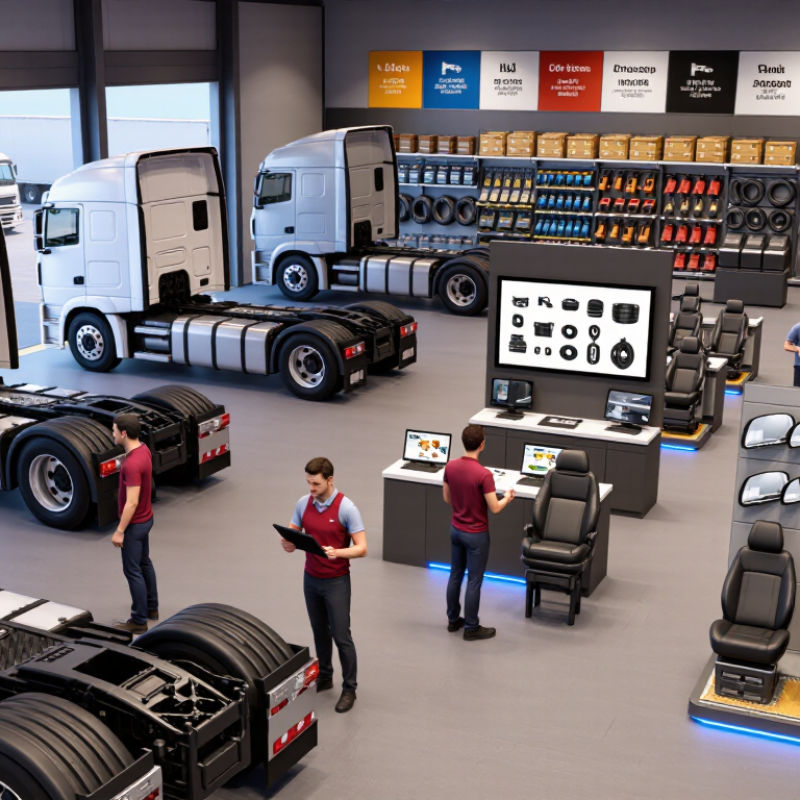
China’s truck-accessories retail market serves long-haul fleets, construction operators, and owner-drivers. Demand varies by vehicle type, route, and maintenance needs. The China Association of Automobile Manufacturers reported 3.87 million commercial vehicles sold in 2024, up 3.9% year on year. That figure signals a large vehicle base, but it does not measure accessory spending. This distinction matters.
Retail is spread across specialist parts markets, repair workshops, roadside stores, and online shops. The National Bureau of Statistics reported that online sales of physical goods reached 13.08 trillion yuan in 2024, or 26.8% of total retail sales. This is a broad e-commerce indicator, not truck-accessory data. Still, it helps explain why buyers increasingly compare prices and specifications online before purchasing locally. Fitment support and dependable stock remain important, especially when a truck cannot sit idle.
Tips: Check the vehicle model, year, and part dimensions before ordering. Ask about installation and return terms. A low price can cost more if the part does not fit. These checks sound basic, but they are easy to skip.
How to read this table: China’s truck-accessories retail landscape includes many independent shops, wholesale outlets, service businesses, and online sellers. Because a verified, comparable national ranking of individual stores is not provided here, the entries below describe representative retail formats rather than ranked or named businesses.
| Retail Format | Common Product Categories | Typical Customers | Common Sales Channel | Practical Buying Consideration |
|---|---|---|---|---|
| Heavy-duty truck parts and accessories wholesalers | Replacement parts, exterior accessories, electrical components, and workshop supplies | Independent repair shops, parts retailers, and fleet maintenance teams | Wholesale counters, trade markets, and direct business sales | Confirm vehicle model, year, and part specifications before ordering; stock and minimum order quantities vary. |
| Truck-parts market stalls | Fast-moving replacement items, mirrors, lamps, fittings, and basic cab accessories | Drivers, mechanics, and small repair businesses | In-person sales in commercial vehicle parts markets | Inspect fit and finish in person and request a receipt or clear return terms. |
| Cab interior accessory shops | Seat covers, floor mats, storage organizers, curtains, and comfort accessories | Owner-operators and long-haul drivers | Local retail shops, installation outlets, and online listings | Check cab configuration and dimensions; interior layouts can differ between vehicle versions. |
| Lighting and electrical accessory retailers | Work lamps, warning lights, wiring, switches, connectors, and electrical fittings | Repair shops, fleets, and individual truck owners | Specialist counters, parts distributors, and online commerce | Verify voltage, connector type, mounting method, and applicable road-use requirements. |
| Body and exterior accessory suppliers | Steps, mudguards, mirrors, protective trim, and other exterior fittings | Truck owners, body repairers, and fleet operators | Local distributors, installation shops, and business-to-business sales | Confirm mounting points and vehicle dimensions; some items require professional installation. |
| Truck tire and wheel retailers | Commercial-vehicle tires, wheels, valves, and related service items | Drivers, transport companies, and fleet maintenance teams | Physical tire shops, service centers, and regional distribution networks | Match the tire size and load rating to the vehicle requirements and intended use. |
| Repair-shop parts counters | Common replacement components and accessories selected during servicing | Customers already using a maintenance or repair facility | On-site retail combined with repair and fitting services | Ask whether the quoted price includes installation and what warranty applies to the part and labor. |
| Online truck-accessory sellers | Cab accessories, lighting, basic fittings, maintenance items, and some model-specific parts | Individual buyers, small garages, and parts resellers | Online marketplaces, seller-operated websites, and social commerce | Review fitment details, seller history, return rules, and delivery restrictions for bulky goods. |
| Fleet and commercial-vehicle supply shops | Frequently used accessories, safety-related equipment, and routine maintenance supplies | Transport firms, logistics operators, and fleet workshops | Account sales, scheduled supply, and direct purchasing | Bulk pricing and product consistency may matter more than the widest individual-item selection. |
| Used and refurbished parts retailers | Inspected second-hand components and refurbished items, depending on local supply | Repair shops and buyers seeking lower-cost replacement options | Local parts markets, repair networks, and online listings | Check condition, compatibility, provenance, and return terms; availability is often variable. |
China sold 3.87 million commercial vehicles in 2024. That shows a large vehicle base, not accessory spending.
Buyers can shop at specialist parts markets, repair workshops, roadside stores, and online shops. Local stock can matter when a truck cannot sit idle.
Common items include seat covers, floor mats, mirror extensions, storage boxes, lamps, horns, and protective body fittings. Some stores also sell cameras, monitors, and wiring kits.
Give the seller your truck’s model, year, cab style, and intended use. Confirm dimensions and mounting points in writing. Fit matters.
Request clear photos, measurements, installation instructions, and return terms. Check who pays shipping if the part does not fit.
Some offer installation and basic fault checks, while others mainly sell parts. Confirm the service, fee, and available appointment before buying.
Check whether a storage box clears the cab door. For electrical items, ask about connector types and wiring compatibility.
Sometimes, but missing hardware or extra installation fees can raise the final cost. A checklist helps, though it may still miss something.
China’s truck accessories retail market serves a wide range of drivers, fleet operators, and businesses seeking practical ways to improve vehicle comfort, organization, safety, and appearance. This overview explains how the market works and how leading Truck Accessories Stores can be assessed, using factors such as product selection, quality, pricing, customer service, availability, and delivery or installation support. It also introduces the kinds of store profiles readers may encounter, without relying on brand names.
Leading stores may offer interior and exterior accessories, storage solutions, lighting, protective equipment, and other items suited to different truck types and work needs. Choosing the right store depends on your vehicle, intended use, budget, product compatibility, and the support available before and after purchase. Comparing these details can help truck owners make informed choices and find suitable accessories with confidence.

 Hongkai Auto