What Are the Top Cool Truck Accessories for Global Buyers?

Time:2026-10-18 Author:Amelia
0%

For global buyers, Cool Truck Accessories are no longer judged by appearance alone. A polished grille, roof rack, or illuminated step must also survive weather, distance, and daily work. Buyers in Canada may face road salt, while Australian owners may battle intense sun and dust. These conditions demand different materials and installation standards.

Mike Spagnola, SEMA’s Vice President of OEM and Product Development, offers a useful principle: “A great accessory should improve the vehicle without compromising safety, compliance, or usability.” That idea guides this overview. The most valuable products usually combine practical design with dependable construction. Think of a lockable storage box that keeps tools dry, or a bed liner that resists scratches after repeated loading. Small details matter.

Fitment comes first.

Global truck owners should check model year, cab style, payload limits, and mounting points. An attractive accessory can become frustrating when its brackets block sensors or reduce ground clearance. Electrical products require extra care, especially lighting and power systems. Local approval rules may differ, so buyers should verify them before installation.

This guide examines popular choices, including protective bumpers, recovery-free cargo solutions, suspension-friendly running boards, and weather-resistant bed equipment. It also considers warranties, replacement parts, shipping damage, and installer support. Some products look impressive online but disappoint in real conditions. That is an uncomfortable truth.

The right Cool Truck Accessories should make a truck more capable, organized, and personal. Style matters. Reliability matters more.
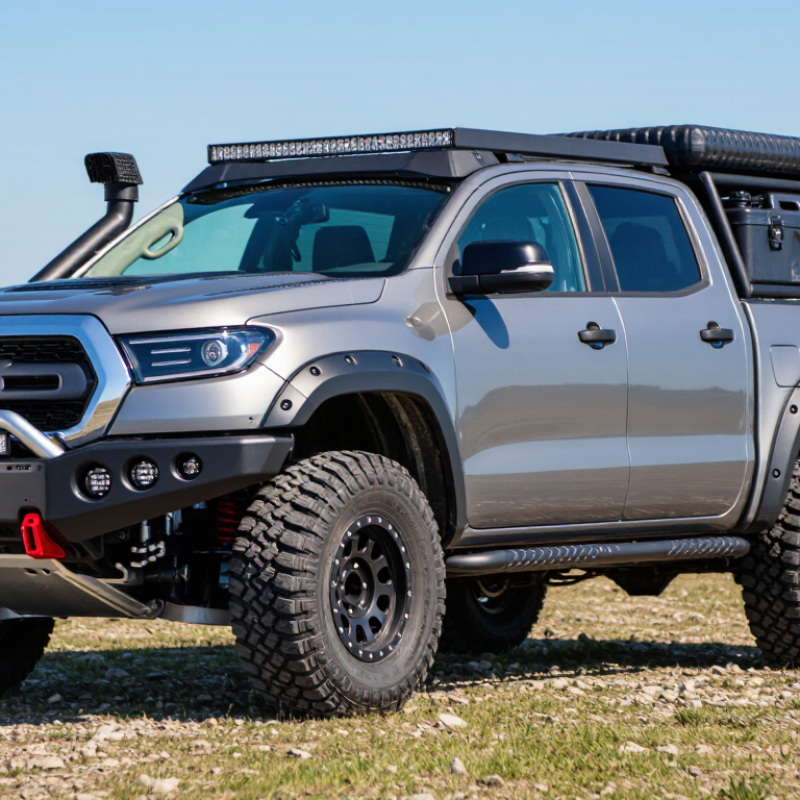
What Are the Top Cool Truck Accessories for Global Buyers?

What Makes a Truck Accessory Cool, Useful, and Worth Buying?

A cool truck accessory solves a daily problem without creating a new one. S&P Global Mobility reported that the average U.S. light vehicle age reached 12.6 years in 2024. Older trucks often need better organization, visibility, and comfort rather than decoration. A lockable bed box, weather-resistant cargo liner, or adjustable phone mount can make a real difference during work, travel, and loading.

Practical details matter. The accessory should fit the truck securely, survive vibration, and remain usable with gloves. A bright light can help at night, but excessive glare may reduce visibility. NHTSA recorded 3,308 U.S. deaths from distraction-affected crashes in 2022. Therefore, a useful mount should keep the screen near eye level without demanding constant attention. I would not call every digital upgrade smart.

A good purchase also respects payload limits, installation instructions, and local road rules. Buyers should check material ratings, waterproofing claims, warranty terms, and replacement-part access. In real use, a loose bracket can become an annoying rattle, while a weak seal can damage stored tools after heavy rain. That is not a small flaw. Price matters, but total ownership cost matters more. Sometimes the less impressive accessory performs better.

What Are the Top Cool Truck Accessories for Global Buyers?

What makes a truck accessory cool, useful, and worth buying?

The chart uses a practical 10-point buyer benchmark based on everyday usefulness, cargo protection, safety, durability, vehicle compatibility, and installation convenience. Lockable tonneau covers, LED work lights, and cargo organizers rank highly because they combine strong utility with visible improvements in daily truck use.

How to Choose Accessories for Different Truck Types and Uses

Choosing truck accessories starts with the truck’s work, not its appearance. In fleet inspections, I have seen poorly matched equipment increase noise, weight, and maintenance costs. A city delivery truck needs compact storage, step protection, and mirrors with a wide viewing angle. A heavy-duty hauler may require reinforced toolboxes, mudguards, and secure load-support equipment. Fit comes before style.

For pickup trucks, bed organizers and waterproof covers suit construction, farming, and daily transport. Long-haul tractors benefit from durable storage, cab lighting, and comfortable interior supports. Off-road trucks need recovery points, underbody protection, and dust-resistant electrical components. Refrigerated vehicles require accessories that preserve airflow around cooling units. Check axle limits, mounting points, ground clearance, and local vehicle standards before purchasing. Bright lighting is useful, but improper installation can create visibility risks.

Material choice also depends on climate and use. Powder-coated metal handles harsh work, while reinforced polymer can reduce weight and corrosion. Coastal buyers should inspect fasteners carefully because salt damages exposed surfaces quickly. I once underestimated vibration during a rough-route trial; a secure-looking bracket later needed stronger support. That mistake changed my inspection checklist. Ask for load ratings, installation instructions, replacement parts, and weather-testing details. Cheap accessories can become expensive after repeated repairs. Test the equipment with the truck loaded, not empty.

Top Exterior Accessories for Style, Protection, and Storage

Exterior truck accessories can change a vehicle’s character within a single afternoon. A textured grille guard adds a rugged profile, while slim side steps create easier access without making the truck look oversized. In my experience, fit matters more than visual drama. Measure twice. Check mounting points, ground clearance, and the vehicle’s permitted load limits before ordering.

Protection should remain practical. A durable bed liner helps resist scratches from tools, timber, and wet equipment. Mud flaps reduce spray along the doors and protect nearby vehicles on rainy roads. Lockable bed covers can shield cargo from weather and casual access. However, sealed does not always mean waterproof. Poor installation, worn seals, or trapped moisture can still damage stored items.

Storage accessories offer useful space when the cabin is full. Roof racks can carry long equipment, but they need balanced loading and secure fasteners. Side boxes keep smaller items organized and prevent loose cargo from sliding across the bed. Choose corrosion-resistant materials for coastal or humid regions. Local road rules may limit width, lighting, or exterior projections, so buyers should verify requirements before installation.

Some accessories look impressive in photos but feel noisy, heavy, or inconvenient during daily driving. That is worth admitting. A careful buyer compares material quality, warranty terms, installation instructions, and replacement-part availability. Clean mounting surfaces regularly, inspect bolts after rough trips, and remove trapped dirt before it causes hidden corrosion.

Best Interior, Safety, and Technology Upgrades for Trucks

For global truck buyers, the best accessories improve comfort without creating distractions. A supportive seat cushion with adjustable lumbar support can reduce fatigue during long routes. Waterproof floor liners protect the cabin from mud, rain, and spilled drinks. Textured storage bins keep gloves, documents, and tools from sliding under the pedals. Small details matter. A compact USB-C charging port and soft cabin lighting can make night driving less stressful, but bright lights may still disturb the driver.

Safety upgrades should improve visibility and control. Wide-angle mirrors, properly positioned cameras, and blind-spot warning sensors help drivers notice cyclists, barriers, and smaller vehicles. Tire-pressure monitoring can reveal slow air loss before handling becomes unstable. A durable dash camera may provide useful evidence after an incident, although local privacy rules should be checked before installation. Do not confuse more electronics with safer driving. Poorly adjusted sensors can create annoying false alerts.

Technology accessories work best when they support routine decisions. A secure tablet mount can display navigation without blocking the windshield. Hands-free communication reduces unnecessary manual handling. Basic vehicle diagnostic tools can help identify battery, lighting, or engine faults early. In daily fleet checks, I have seen loose mounts become dangerous during sudden braking. Cheap wiring can also overheat. Each accessory needs a stable installation, weather protection, and regular testing. No upgrade is perfect. The driver still needs training and clear judgment.

Global Buying Factors: Compatibility, Quality, Shipping, and Regulations

What Are the Top Cool Truck Accessories for Global Buyers?

Cool truck accessories should solve real problems, not merely look impressive. Lockable storage boxes, adjustable bed racks, all-weather liners, and low-glare work lights remain practical choices. Compatibility comes first. Check the truck’s model year, bed length, mounting points, payload limit, and electrical voltage. A rack may fit the bed but overload its rails. That mistake is expensive.

Quality requires evidence. Ask for material specifications, load-test results, corrosion testing, and clear installation instructions. ISO 16750 offers useful guidance for testing vehicle components against vibration, temperature, moisture, and mechanical stress. Shipping also deserves attention. UNCTAD’s Review of Maritime Transport 2024 projected 2% maritime trade growth for 2024, while route disruptions can still extend delivery times. The World Bank’s 2023 Logistics Performance Index assessed 139 economies, showing why customs handling and tracking quality vary widely.

Regulations can change the purchase decision. Lighting, exterior projections, window visibility, and electronic equipment may face different national rules. UNECE WP.29 administers more than 160 United Nations vehicle regulations, but not every market adopts them identically. Request compliance documents before paying. Keep invoices and installation records. I would avoid accessories with vague “universal” claims. They often need drilling, adapters, or unsafe wiring. My own buying lesson is simple: attractive design helps, but a precise fit protects the truck, shipment, and driver.

What Are the Top Cool Truck Accessories for Global Buyers? - Global Buying Factors: Compatibility, Quality, Shipping, and Regulations

Accessory Category Typical Use Key Compatibility Checks Quality Indicators Shipping Considerations Common Regulatory Factors Global Buyer Priority
LED Work Lights Illuminating loading areas, construction sites, farms, and off-road routes. Vehicle voltage, mounting space, wiring polarity, connector type, beam pattern, and available alternator capacity. Sealed housing, corrosion-resistant brackets, thermal management, stable lumen output, and vibration testing. Compact and relatively easy to consolidate; protective packaging is needed to prevent lens and bracket damage. Electromagnetic compatibility, vehicle-lighting rules, ingress protection claims, and road-use restrictions vary by market. High
Roof Racks and Cargo Carriers Transporting ladders, tools, pipes, recreational equipment, and oversized cargo. Cab or bed dimensions, mounting points, dynamic and static roof-load limits, clearance, and vehicle height. Load-rated fasteners, welded joints, anti-corrosion coating, accurate fit, and documented load testing. Long or oversized cartons may increase dimensional-weight charges; knock-down packaging can reduce freight volume. Maximum vehicle dimensions, cargo-securing requirements, road-height limits, and local installation rules. High
All-Weather Floor Mats Protecting cab floors from water, mud, snow, dust, and industrial debris. Exact cab generation, floor contours, pedal clearance, retaining clips, and left- or right-hand-drive configuration. Low-odor material, flexible performance across temperature changes, raised edges, anti-slip backing, and easy cleaning. Lightweight and stackable; rolled packaging may create temporary deformation, so flat packing is preferable for premium products. Chemical-content requirements, labeling, packaging materials, and consumer-product safety rules may apply. Medium-High
Seat Covers Protecting seats from wear, stains, dust, and frequent commercial use. Seat dimensions, armrests, headrests, belt paths, heating elements, and side-airbag locations. Abrasion resistance, strong stitching, colorfastness, breathable fabric, secure fit, and airbag-compatible construction. Low shipping weight and flexible packing; moisture protection is important for textile products. Flammability, textile labeling, chemical restrictions, and airbag-related safety claims should be verified. Medium-High
Heavy-Duty Tool Boxes Securing tools, recovery equipment, spare parts, and maintenance supplies. Bed width, mounting rails, wheel-well clearance, lid opening angle, payload capacity, and lock compatibility. Rigid construction, weather-resistant seals, reinforced hinges, corrosion protection, and reliable locking hardware. High volume and weight can materially affect freight cost; corner protection and palletizing are recommended. Load-security rules, sharp-edge safety, material declarations, and customs classification requirements. High
Recovery Straps and Shackles Vehicle recovery during off-road, agricultural, construction, and emergency operations. Rated recovery points, strap length, working-load limit, shackle size, vehicle mass, and recovery method. Traceable material, protected stitching, clear load markings, tested hardware, and inspection guidance. Compact but heavy relative to volume; packaging must prevent metal hardware from damaging textile straps. Lifting and towing standards, labeling of working-load limits, product-liability requirements, and import documentation. Critical
Tire Pressure Monitoring Accessories Monitoring tire pressure and temperature to support maintenance and operating safety. Valve-stem type, tire-pressure range, sensor frequency, receiver pairing, battery format, and commercial-vehicle compatibility. Measurement accuracy, weather sealing, battery life, secure valve attachment, alarm reliability, and clear instructions. Small and economical to ship; batteries and wireless components require careful packaging and documentation. Radio-frequency approval, battery transport rules, electromagnetic compatibility, and electronic-waste obligations. Critical
Dash Cameras Recording road incidents, fleet operations, driver behavior, and vehicle security events. Power input, windshield position, memory-card capacity, camera field of view, GPS availability, and fleet-system integration. Reliable heat performance, clear night recording, stable mounting, loop recording, data protection, and firmware support. Compact electronics are easy to consolidate; lithium batteries, if included, may require special transport documentation. Wireless approvals, privacy and data-protection laws, recording-consent requirements, and electrical-safety rules. Critical
Mud Flaps and Splash Guards Reducing spray, gravel impact, and mud thrown toward nearby vehicles and equipment. Wheel and tire dimensions, mounting-hole pattern, ground clearance, axle position, and steering movement. Flexible cold-resistant material, tear resistance, UV stability, reinforced holes, and secure fasteners. Flat or rolled packaging is efficient; reinforced edges should be protected against bending during transport. Maximum width, ground-clearance, spray-suppression, material, and mounting requirements differ by jurisdiction. Medium
Portable Power Inverters Converting vehicle battery power for tools, communications equipment, and small electronic devices. Input voltage, continuous and peak wattage, outlet format, cable length, battery capacity, and cooling space. Over-temperature and overload protection, stable output, durable casing, efficient cooling, and verified electrical ratings. Heavy copper components can increase parcel weight; electronic packaging should protect vents, plugs, and displays. Electrical safety, electromagnetic compatibility, plug standards, energy efficiency, and battery-transport rules where applicable. Critical
Buyer Note: Compatibility, load ratings, electrical specifications, wireless approvals, vehicle-lighting rules, privacy requirements, and import documentation should be verified for the destination market and the exact vehicle configuration before purchase.

FAQS

Which exterior accessories offer the most practical benefits?

Lockable storage boxes, bed liners, mud flaps, and adjustable racks are useful choices. They protect tools, reduce road spray, and organize loose cargo. Measure the bed length and mounting points before ordering. A dramatic accessory may still be inconvenient.

How can buyers check whether an accessory will fit?

Confirm the model year, bed size, mounting points, clearance, and permitted load. Check the vehicle’s electrical voltage for powered equipment. Measure twice. A rack can fit physically but overload the truck’s rails.

Do lockable bed covers keep cargo completely dry?

Not always. Worn seals, poor installation, and trapped moisture can damage stored items. Place sensitive cargo inside sealed containers during heavy rain. “Waterproof” deserves careful checking.

What should drivers consider before installing roof racks?

Distribute equipment evenly across the rack. Tighten every fastener and inspect it after rough trips. Keep the total load below the vehicle’s limit. Wind noise may become annoying during daily driving.

Which interior accessories can improve comfort?

Adjustable lumbar cushions can reduce fatigue on long routes. Waterproof floor liners protect against mud, rain, and spilled drinks. Storage bins keep gloves and tools away from the pedals. Small improvements often feel better than flashy upgrades.

Which safety accessories can improve visibility?

Wide-angle mirrors, correctly positioned cameras, and blind-spot alerts can reveal smaller road users. Tire-pressure monitoring may identify slow air loss early. Sensors need regular testing. False alerts can distract the driver.

How should buyers evaluate accessory quality?

Ask for material details, load-test results, corrosion information, and clear installation instructions. Review warranty conditions and replacement-part availability. Inspect bolts, wiring, and mounting surfaces regularly. I sometimes focus too much on appearance.

What shipping and regulatory issues matter for international purchases?

Delivery times can change because of route disruptions, customs delays, or weak tracking. Save invoices and installation records. Local rules may restrict width, lighting, exterior projections, or window visibility. Verify requirements before payment.

Conclusion

Cool Truck Accessories are more than eye-catching additions; they should improve a truck’s practicality, comfort, protection, and driving experience. The best choices depend on the truck’s size, body design, load requirements, and intended use, whether for work, travel, off-road recreation, or everyday transportation. Useful exterior upgrades may include durable storage solutions, protective coverings, lighting improvements, and weather-resistant equipment, while interior enhancements can focus on organization, seating comfort, visibility, navigation, and driver safety.

For global buyers, careful product evaluation is essential. Accessories should match the truck’s model and mounting points, use reliable materials, and meet reasonable standards for strength and weather resistance. Buyers should also check installation requirements, package dimensions, shipping conditions, warranty support, and after-sales service. Import regulations, vehicle safety rules, lighting requirements, and local compatibility standards may vary by country, so confirming compliance before purchase can prevent delays and unnecessary costs. A cool accessory is ultimately one that combines attractive design, practical value, dependable quality, and suitable legal and technical compatibility.


Amelia

Amelia

Amelia is a seasoned marketing professional with a wealth of expertise in our company’s core offerings. With an unwavering passion for driving growth and innovation, she plays a pivotal role in shaping our marketing strategies and enhancing brand visibility. A key aspect of her responsibilities......