When it comes to the towing industry, investing in the right equipment is crucial. Renowned towing expert Mike Reed emphasizes, "A reliable Heavy Tow Truck can make all the difference in tough situations." This highlights the importance of selecting the best trucks to support your business needs.
Selecting a Heavy Tow Truck is more than just a business decision; it reflects your commitment to service quality. The reliability of these trucks speaks volumes about your operations. A breakdown can mean lost revenue and unhappy clients. Investing wisely in top-tier trucks will ensure you are always prepared.
The right Heavy Tow Truck should offer durability and efficiency. It’s essential to evaluate brands based on performance and reliability. Consider the features that meet your specific requirements. Reflect on your choices, as the wrong decision can impact your reputation in the long run. When you choose poorly, it can force you to make adjustments later, increasing long-term costs.
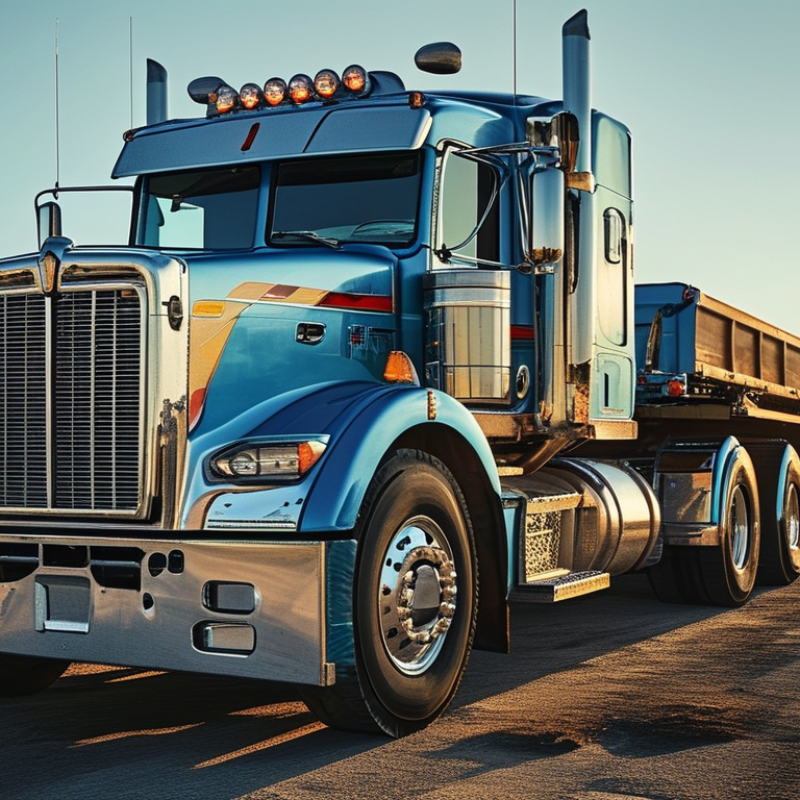
When choosing heavy tow trucks for commercial use, several factors come into play. The right model can define your business's efficiency and reliability. Many professionals in the towing industry have agreed that versatility is key. A good heavy tow truck should not only handle large vehicles but also adapt to various terrains and situations.
Consider payload capacity first. Many heavy-duty models can lift and transport over ten tons. This capability is crucial for towing buses, trailers, or construction equipment. Reliable towing solutions often include advanced technology, like automatic lifting systems. Additionally, the braking system should be robust to ensure safe operations. It's essential to evaluate build quality. Trucks that have a strong frame and durable parts will last longer and require less maintenance.
Many operators focus on the cab comfort and ease of use. A well-designed dashboard can make a significant difference during long hours on the road. However, some models may have complex controls. It’s worth reflecting on how training affects your team's efficiency. Investing in skill development can enhance the overall performance of your towing business. Ultimately, selecting the right heavy tow truck involves careful consideration of various technical specifications and user experience.
When selecting a heavy tow truck, several key features matter significantly.
Payload capacity is one of the most critical aspects. For example, most heavy tow trucks offer a range between 10,000 to 50,000 pounds. Businesses should choose a truck that meets their specific hauling demands. Failure to account for weight limits may lead to breakdowns or safety hazards.
Engine power is another essential feature. Tow trucks typically range from 200 to over 600 horsepower. A powerful engine ensures reliable performance, especially in challenging conditions. An insufficient engine can lead to inefficiencies and increased operational costs. Moreover, truck stability is crucial when towing heavier loads. Trucks designed with a broader wheelbase tend to provide better balance, reducing the risk of tipping during sharp turns.
Safety features must not be overlooked. Companies that prioritize safety can avoid accidents and potential liabilities. Advanced braking systems and stability control are vital for secure towing operations. Investing in trucks equipped with these features can yield a long-term financial benefit. A 2021 industry report noted that safety-enhanced vehicles reduce incident rates by up to 40%. This statistic highlights the importance of choosing the right tow truck for a successful business operation.
Investing in heavy tow trucks can significantly enhance your business operations. These vehicles are equipped to handle a diverse range of towing tasks, particularly in roadside assistance and recovery scenarios. According to a report by Allied Market Research, the global tow truck market is projected to reach $3 billion by 2027, reflecting a growing need for reliable towing services.
Heavy tow trucks bring several advantages. They minimize downtime for vehicles and help businesses operate smoothly. The American Towman Association highlights that quick towing can save up to 70% on vehicle repair costs. Additionally, having the right equipment increases customer satisfaction. A well-maintained heavy tow truck can handle larger vehicles efficiently, which is crucial in high-demand markets.
However, the initial investment can be substantial. Businesses must weigh potential revenue against upfront costs. Maintenance is another factor. Regular upkeep must be a priority to avoid unexpected expenses. Investing in training for operators is essential. Knowledgeable staff ensures safety and efficiency during heavy towing operations. This creates a more robust business model, fostering long-term client relationships and trust. These considerations can lead to more thoughtful decision-making in your business strategy.
Maintaining heavy tow trucks is essential for any business relying on them. Regular maintenance ensures safety and reliability. According to the American Towman Association, a well-maintained truck can reduce operational costs by up to 30%. Simple practices can make a significant impact.
Conduct daily inspections. Check tire pressure, brakes, and fluid levels before each shift. Any slight wear can lead to major issues. Use a checklist to track maintenance tasks. The Society of Automotive Engineers suggests that documenting each service helps prevent overlooked problems. Remember that neglecting minor repairs often leads to costly breakdowns.
Invest in scheduled servicing. Following manufacturer guidelines can extend the life of vehicles. Heavy trucks have demanding schedules and require check-ups every 5,000 miles. Ignoring these guidelines might seem easier, but it often results in unexpected downtime. These trucks symbolize your business's reliability. Keeping them in top condition should be a top priority.
When considering the purchase of heavy tow trucks versus standard ones, cost is a crucial factor. Heavy tow trucks, designed for larger vehicles, command higher prices due to their robust engineering. On average, a heavy tow truck can range from $100,000 to $200,000, depending on custom features and capabilities. In contrast, standard tow trucks can be acquired for around $50,000 to $80,000. However, the initial investment is not the only cost to consider. Maintenance, insurance, and fuel expenses also vary significantly between the two types.
Operating a heavy tow truck might seem costly at first, but think about the potential revenue. These trucks can handle larger, and often more lucrative, contracts. For instance, if your business targets commercial clients, heavy tow trucks can yield higher profit margins. But here's the catch: not every business will have consistent demand for heavy-duty towing services. If most calls are for regular vehicles, investing heavily in heavy tow trucks could lead to idle equipment.
Evaluating the specific needs of your business is essential. Are you in a location with many heavy-duty vehicles? Do businesses in your area frequently require towing for larger fleets? If yes, a heavy tow truck could be a wise investment. However, if there is minimal demand, a standard tow truck might suffice. Understanding your market's needs will determine the best choice, ensuring your investment pays off in the long run.
| Model | Weight Capacity (lbs) | Price Range ($) | Fuel Type | Wheelbase (inches) | Typical Use |
|---|---|---|---|---|---|
| Heavy Duty Tow Truck A | 40,000 | $100,000 - $130,000 | Diesel | 200 | Roadside Assistance |
| Heavy Duty Tow Truck B | 50,000 | $120,000 - $150,000 | Gasoline | 210 | Heavy Equipment Transport |
| Heavy Duty Tow Truck C | 45,000 | $110,000 - $140,000 | Diesel | 205 | Accident Recovery |
| Heavy Duty Tow Truck D | 55,000 | $130,000 - $160,000 | Gasoline | 215 | Bus Recovery |
| Heavy Duty Tow Truck E | 60,000 | $140,000 - $170,000 | Diesel | 220 | Long-Distance Towing |
| Heavy Duty Tow Truck F | 65,000 | $150,000 - $180,000 | Gasoline | 225 | Heavy Machinery Transport |
| Heavy Duty Tow Truck G | 70,000 | $160,000 - $200,000 | Diesel | 230 | Construction Site Recovery |
| Heavy Duty Tow Truck H | 75,000 | $170,000 - $210,000 | Gasoline | 235 | Emergency Services |
| Heavy Duty Tow Truck I | 80,000 | $180,000 - $220,000 | Diesel | 240 | Commercial Vehicle Transport |
| Heavy Duty Tow Truck J | 85,000 | $190,000 - $230,000 | Gasoline | 245 | Heavy Duty Towing |
: Payload capacity is crucial as it determines how much weight a truck can safely transport, affecting efficiency.
Most heavy tow trucks can lift between 10,000 to 50,000 pounds, catering to various towing needs.
Engine power ranges from 200 to over 600 horsepower, ensuring dependable performance in challenging conditions.
Trucks with a broader wheelbase offer better balance, reducing tipping risks during sharp turns with heavy loads.
Advanced braking systems and stability control are vital for secure towing, helping avoid accidents and liabilities.
Regular maintenance can cut operational costs by up to 30%, ensuring reliable and safe towing operations.
Daily checks of tire pressure, brakes, and fluid levels help prevent minor wear turning into major issues.
Keeping a checklist helps prevent overlooked problems and ensures all necessary maintenance is completed on time.
Scheduled servicing is recommended every 5,000 miles to maintain reliability and extend the life of the vehicle.
Ignoring maintenance may seem easier but often leads to costly breakdowns and unexpected vehicle downtime.
Heavy tow trucks play a crucial role in commercial operations, offering durability and reliability for demanding towing tasks. In the article, various heavy tow truck models are highlighted, showcasing key features such as robust engine power, advanced braking systems, and enhanced towing capacities that make them suitable for businesses needing efficient heavy-duty towing solutions.
Investing in heavy tow trucks brings a multitude of advantages, including increased revenue potential and improved service capabilities. To maintain optimal performance, regular maintenance is essential, with tips provided on how to keep these powerful vehicles in peak condition. Additionally, a cost comparison between heavy tow trucks and standard tow trucks illuminates the long-term financial benefits of investing in heavy-duty options for business growth and efficiency.

Hongkai Auto