Global freight is becoming more demanding, and small body components now influence operating confidence. Quarter Fenders help limit mud, water, and road spray around truck wheels. They also protect nearby panels, cargo areas, and following traffic. The right design must survive vibration, stone impact, temperature changes, and repeated washing.
OICA reported more than 90 million motor vehicles produced worldwide in 2023, including a substantial commercial-vehicle segment. That scale reveals a fragmented replacement market. Truck dimensions, axle layouts, tire sizes, and mounting points differ across regions. Buyers therefore need more than attractive photos. They need verified measurements, load resistance, material specifications, and consistent production quality. The ACEA Vehicles on European Roads 2024 report also highlights the size and age of Europe’s commercial vehicle fleet. Older vehicles may require customized brackets, repairs, or careful corrosion checks. A universal claim can be misleading.
Regulatory expectations matter, too. European Commission Regulation (EU) No. 109/2011 addresses spray-suppression systems for certain vehicles and trailers. Other markets apply different approval practices. Buyers should confirm local requirements before selecting a product. This article compares leading Quarter Fenders through practical criteria, including material strength, installation accuracy, weather performance, supplier documentation, and total ownership cost. Field experience suggests that heavy-duty rubber performs well in harsh conditions, while molded plastic can reduce weight and simplify cleaning. Neither option wins every application. That is the uncomfortable part. Product rankings depend on vehicle type, climate, road quality, and maintenance habits. Some supplier data remains difficult to verify independently. Global buyers should treat certifications, test reports, and sample inspections as essential evidence, not marketing decoration.
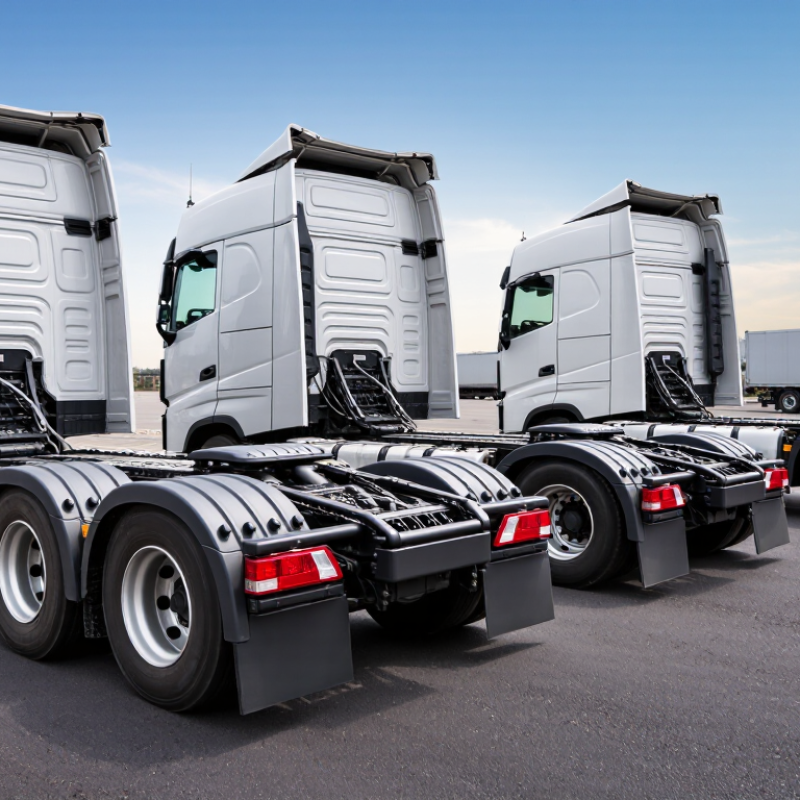
Quarter fenders are protective panels fitted near a truck’s wheels. They reduce mud, water, and road debris thrown toward trailers, vehicles, and pedestrians. Their name comes from their partial wheel coverage, rather than a full wheel-arch design.
For global buyers, the best quarter fender depends on vehicle layout, axle spacing, and local road conditions. Common types include single-wheel, tandem-axle, fixed, flexible, and anti-spray models. Stainless steel offers strong corrosion resistance and a clean appearance. Aluminum reduces weight but may dent more easily. Polymer options absorb impact and perform well in cold environments. I have found that mounting brackets often matter as much as the fender itself. Poor alignment can create vibration, cracking, or tire clearance problems. No choice is perfect.
Tips: Measure tire width, axle distance, bracket position, and available clearance before ordering. Check whether the kit includes supports, fasteners, and installation instructions. For international shipments, confirm dimensions, packaging strength, and replacement-part availability. A supplier with clear testing data and responsive technical support is usually more reliable. Ask for material thickness and load information, not just attractive product photos. Road spray performance can also vary with tire tread and vehicle speed. Small details matter. During inspection, look for smooth edges, secure brackets, and drainage points. A practical trial fitting may reveal problems that a catalog cannot show.
| Quarter Fender Type | Definition and Main Purpose | Common Material | Typical Dimensions | Key Advantages | Typical Vehicle and Operating Conditions | Important Buying Checks |
|---|---|---|---|---|---|---|
| Standard Single-Wheel Quarter Fender | A partial mudguard installed behind the cab or around an exposed axle area to reduce spray, mud, and road debris thrown by a single tire. | Painted or galvanized steel; stainless steel is also widely used. | Approx. 600–850 mm long; 250–350 mm wide; 1.0–2.0 mm metal thickness. | Simple construction, broad compatibility, easy replacement, and good protection for general road use. | Rigid trucks, tractor units, and trailers operating on paved highways and mixed road surfaces. | Check tire clearance, mounting-hole spacing, axle position, edge finishing, and corrosion protection. |
| Tandem-Axle Quarter Fender | A longer or specially shaped guard designed to cover spray generated between or around closely spaced rear axles. | Stainless steel, aluminum, or reinforced polymer. | Approx. 900–1,300 mm long; 300–450 mm wide; mounting length varies by chassis. | Provides wider coverage and helps limit debris reaching suspension, chassis, and adjacent traffic. | Heavy trucks, multi-axle trailers, and vehicles carrying high loads over wet or dirty roads. | Confirm axle spacing, suspension movement, maximum tire width, and clearance during full articulation. |
| Stainless-Steel Quarter Fender | A corrosion-resistant quarter fender intended to shield tires and nearby components while maintaining a clean appearance. | 304 stainless steel is common; 316 stainless steel may be selected for severe coastal or chemical environments. | Approx. 650–1,200 mm long; 250–400 mm wide; 0.8–1.5 mm sheet thickness. | High resistance to rust, low maintenance, good appearance, and strong suitability for long service intervals. | Long-haul fleets, refrigerated transport, coastal routes, and vehicles frequently exposed to road salt. | Verify stainless grade, weld quality, polished or brushed finish, fastener material, and galvanic-corrosion control. |
| Aluminum Quarter Fender | A lightweight guard used to reduce splash and debris while minimizing added vehicle weight. | 6061 or similar truck-grade aluminum alloy; exact alloy depends on forming and load requirements. | Approx. 600–1,200 mm long; 250–400 mm wide; 1.5–3.0 mm thickness. | Lower weight than steel, good corrosion resistance, and practical for weight-sensitive transport applications. | Fuel-efficient highway vehicles, tankers, trailers, and fleets where payload optimization is important. | Assess alloy strength, bending resistance, fatigue performance, mounting isolation, and compatibility with steel brackets. |
| Thermoplastic Quarter Fender | A molded plastic guard that absorbs minor impacts and limits water, mud, and gravel spray from the tire. | UV-stabilized polypropylene, polyethylene, or other reinforced thermoplastics. | Approx. 500–1,000 mm long; 250–450 mm wide; 3–6 mm wall thickness. | Lightweight, quiet during vibration, impact-tolerant, and resistant to many common road chemicals. | Urban delivery trucks, regional transport vehicles, and operations with frequent low-speed contact risks. | Check UV resistance, low-temperature impact strength, heat tolerance, mounting flexibility, and replacement availability. |
| Flexible Rubber Quarter Fender | A flexible partial mudguard that bends away from minor obstacles while retaining basic splash and debris-control function. | EPDM rubber, natural-rubber blends, or reinforced elastomer compounds. | Approx. 500–1,100 mm long; 250–450 mm wide; 4–10 mm thickness. | Flexible, relatively quiet, easy to cut or replace, and effective where contact with debris is frequent. | Construction trucks, refuse vehicles, agricultural transport, and rough-road applications. | Review tear resistance, ozone and oil resistance, temperature range, reinforcement, and clamp or bolt design. |
| Heavy-Duty Reinforced Quarter Fender | A strengthened guard built to withstand vibration, gravel impact, and demanding off-road or industrial service. | Thick steel, reinforced polymer, or metal with a replaceable rubber extension. | Approx. 700–1,300 mm long; 300–500 mm wide; 2.0–4.0 mm metal or reinforced composite thickness. | Higher impact resistance, improved durability, and better retention under severe vibration. | Mining support trucks, logging vehicles, quarry transport, and heavy off-road equipment. | Check bracket strength, fatigue resistance, welds, protective coating, service access, and total installed weight. |
| Adjustable or Universal Quarter Fender | A modular guard with slotted brackets, telescopic supports, or interchangeable sections for different chassis layouts. | Coated steel, stainless steel, aluminum, or mixed metal-polymer construction. | Approx. 550–1,200 mm adjustable length; 250–450 mm width; bracket range depends on design. | Useful for varied vehicle fleets, simplifies inventory, and allows alignment around different tire and suspension positions. | Mixed commercial fleets, replacement markets, workshops, and international buyers serving multiple chassis configurations. | Confirm adjustment range, locking security, load capacity, included hardware, installation instructions, and regulatory fit. |
Aluminum and stainless steel resist moisture well. Aluminum is lighter, but incorrect fasteners may cause contact corrosion. Check the inner coating too.
Galvanized steel offers a rigid structure and resists minor dents. Damaged edges may rust if the coating is poorly repaired. Inspect those edges regularly.
ABS and polypropylene can absorb light impacts without permanent deformation. Polypropylene usually flexes better. Very low temperatures may make some plastics brittle.
Measure tire diameter, tread width, axle spacing, and mounting-hole positions. Then check clearance during steering and full suspension compression. Measure twice.
Mud, gravel, and ice need space to escape. A tight installation may rub during suspension movement. That noise can reveal a hidden fitting problem.
Look for strong brackets, corrosion-resistant fasteners, and flexible mounting points. The kit must match the chassis thickness and available tools. Weak brackets often fail first.
Review thickness, surface finish, drainage paths, and replacement-part availability. Request technical drawings, tolerance ranges, and tested clearance data. Photos are not enough.
Buyers may trust catalog measurements without checking the actual vehicle. That assumption is easy to make. I would request fitting evidence before shipment, though even careful checks can miss long-term vibration problems.
Quarter Fenders are practical protective components designed to reduce mud, water, stones, and road debris thrown from a vehicle’s wheels. This overview explains their main types, common applications, and the quality factors buyers should evaluate, including material strength, weather resistance, flexibility, weight, and resistance to cracking or deformation. It also compares materials such as rubber, plastic, and metal-based options for different driving conditions, from urban roads to heavy-duty and wet environments.
For global buyers, selecting the right Quarter Fenders requires careful comparison of dimensions, mounting points, wheel clearance, and vehicle compatibility. The article also covers installation methods, routine cleaning, inspection, replacement considerations, and expected pricing factors. Buyers should review product specifications, packaging, shipping requirements, and supplier communication before ordering internationally. By balancing durability, fit, maintenance needs, and total purchase cost, customers can choose quarter fenders that provide reliable protection and long-term value.

 Hongkai Auto