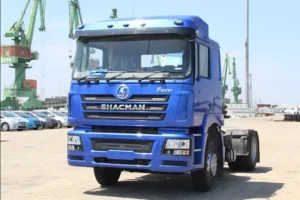
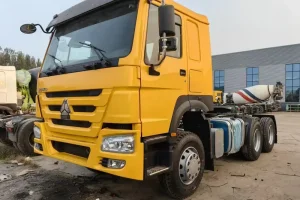
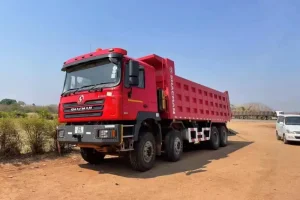
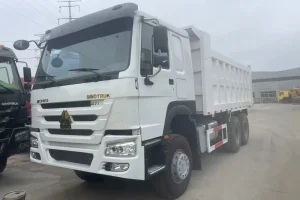
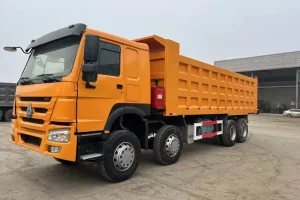
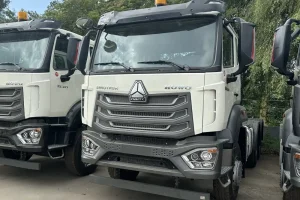
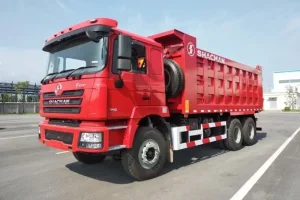
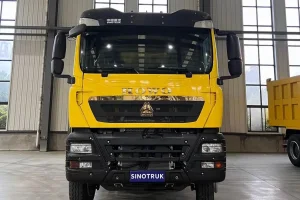
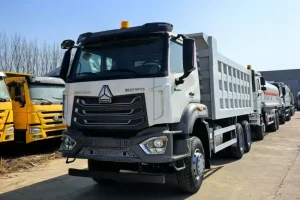
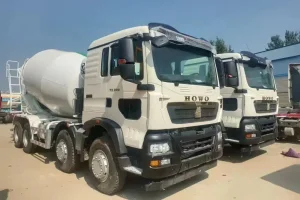
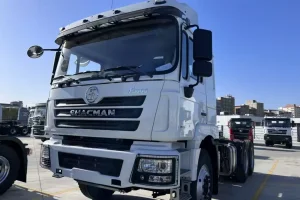
Explore our core manufacturing product lineups engineered for tough terrain, maximum payload capability, and high hydraulic power density.
Deyang Hongkai Auto Trading Co., Ltd. brings decades of specialized manufacturing, heavy machinery assembly, and global trade execution.
In the modern earthmoving and heavy machinery ecosystem, compact hydraulic excavators—commonly known as mini excavators (1.0 to 10.0 metric tons)—represent the fastest-growing segment in international equipment procurement. Driven by worldwide urban intensification, municipal utility upgrades, residential hardscaping, and agricultural automation, enterprise buyers no longer evaluate mini excavator factories merely by initial sticker price. Instead, procurement directors and fleet managers apply rigorous Total Cost of Ownership (TCO) models, component standardization checks, and factory automation auditing.
Core Sourcing Principle: Evaluating a "Best Mini Excavator Factory" requires examining four critical vectors: structural steel robotic welding precision, hydraulic power density (main pump flow vs. breakout force), Tier-4 Final / Stage V emissions integration, and OEM component supply chain transparency.
The compact excavating market is experiencing a profound technological shift. Factories that lead the sector have moved beyond basic mechanical assembly into intelligent, multi-patented platforms. Key engineering trends shaping factory-level production lines include:
Urban low-noise and zero-emission mandates across European and North American metropolitan zones are driving demand for lithium-battery electric mini excavators (1.5t – 3.5t). Leading factories now build dual-power (Electric/Diesel) platforms equipped with 48V-300V high-capacity architecture, featuring dynamic regenerative braking in swing drives.
Top-tier factories integrate factory-installed telematics units (T-Box) directly into the CAN-bus framework. This provides real-time geo-fencing, hydraulic pressure anomaly diagnostics, engine load profiling, and predictive maintenance alerts accessible by enterprise fleet operations teams via cloud APIs.
Space-constrained urban job sites mandate Zero Tail Swing configurations. Leading Chinese manufacturers utilize computer-modeled counterweight mass distribution and compact engine layout geometry, ensuring maximum lifting stability without sacrificing 360-degree slew radius compactness.
When global equipment distributors, rental conglomerates, and civil engineering firms search for the "best mini excavator factory," their search intent spans far beyond surface marketing. Procurement intent can be segmented into three distinct commercial archetypes:
Primary Intent: Extreme durability, standardized service intervals, intuitive operator controls, high resale value, and robust boom design to handle diverse operator skill levels without structural fatigue.
Primary Intent: Factory customization agility, flexible emblem branding, customized cab ergonomics, regional emissions certification (EPA/CE), and white-label component sourcing matching regional market expectations.
Primary Intent: Auxiliary hydraulic flow capacity (gpm/L-min), multi-attachment versatility (augers, hydraulic breakers, quick couplers), heavy-duty undercarriage track tensioning systems, and fast spare-parts logistics.
To satisfy these intent vectors, elite factories maintain strict quality verification standard operating procedures (SOPs). Below is an architectural overview of how premium components are evaluated by B2B buyers:
The global dominance of Chinese machinery manufacturing stems from unprecedented supply chain clustering and Industry 4.0 automation. Factories operating out of key machinery centers—such as Sichuan, Shandong, and Jiangsu—benefit from localized component ecosystems where hydraulic pumps, slewing bearings, rubber tracks, and CNC machined castings are produced within a 50-kilometer radius.
At Deyang Hongkai Auto Trading Co., Ltd., this industrial advantage translates into unmatched production speed, strict cost efficiency, and rigorous quality control protocols across large-scale facilities spanning over 211,000 square meters.
Modern mini excavator manufacturing relies on multi-axis robotic welding arms operating in inert gas shields. This eliminates human welding inconsistency, ensures deep weld penetration on boom assemblies, and prevents micro-fracturing under high hydraulic fatigue loads.
Every excavator rolling off the assembly line undergoes a multi-point stress routine: 100% hydraulic pressure overload testing (up to 25-30 MPa), continuous temperature dissipation analysis, dynamic track torque testing, and 24-hour static fluid leak monitoring.
Experience our manufacturing scale, automated assembly bays, and quality assurance divisions directly through our interactive VR terminal.
To successfully market and deploy compact earthmoving machinery globally, factories must adapt their standard engineering platforms to meet distinct regional operational realities:
Key requirements center on strict emissions compliance (EPA Tier 4 Final / EU Stage V), ergonomic ROPS/FOPS certified cabs with auto-climate control, quick coupler hydraulics, and expandable track undercarriages (gate passage capability below 1,000mm).
Emphasis is placed on cooling efficiency (high-capacity aluminum radiators for ambient operating conditions exceeding 45°C), heavy-duty mechanical fuel injection systems that handle varied diesel fuel purity grades, and simplified maintenance access.
Focus is directed toward dust filtration (dual-stage cyclonic air pre-cleaners), reinforced steel track pads for rocky quarry terrain, and synergistic logistics matching long-haul transport trucks, tippers, and heavy-duty dump vehicles.
Rigorous safety specifications including safety burst valves on boom and arm cylinders, secondary emergency engine shut-off switches, LED work lamp packages, and biological hydraulic fluid compatibility options.
Mini excavators rarely operate in isolation. In modern civil works, mining operations, and municipal projects, compact excavators function as the primary digging component in an integrated fleet system. Their versatile work cycles include:
From initial technical consultation to global spare parts delivery and field maintenance training.
Thorough demand analysis to understand customer transportation and earthmoving needs, including cargo types, terrain profiles, load requirements, and tailored machinery configurations.
Prior to dispatch, every unit undergoes comprehensive pre-delivery inspection (PDI), exterior cleaning, hydraulic debugging, and safety testing to guarantee optimum operational readiness.
24/7 technical hotline and diagnostic consulting. Regular online and offline training sessions for operating engineers and fleet mechanics to maximize equipment lifespan.
Clear and transparent warranty coverage protecting structural steel assemblies, main hydraulic pumps, slew motors, and engines, supported by rapid international parts logistics.
Stay informed on machinery innovations, haulage tractor updates, and market expansion strategies.
Powered by 430HP Weichai WP12 engines, these heavy-duty tractor units provide seamless transport capability for moving compact mini excavators and heavy construction equipment between job sites.
Accelerating infrastructure development through reliable haulage solutions, delivering heavy-duty dumper platforms optimized for rugged earthmoving environments.
Discover how modern powertrain technology and optimized payload chassis design enhance profitability for mining and civil contracting enterprises.
Real feedback from logistics operators, construction managers, and mechanics across international markets.
"As a driver involved in long-distance transportation and heavy equipment haulage for many years, choosing this fleet partner was one of the smartest business decisions I've made."
— Emily Johnson, Fleet Logistics (United States)
"Managing a logistics hub in Luanda, Angola, we need machinery that handles long hauls and rugged terrain without downtime. Excellent fuel efficiency and robust engineering."
— Operations Manager (Luanda, Angola)
"Operating a mining supply and heavy earthmoving business in Zambia. The torque, structural payload, and hydraulic performance make our field operations highly efficient."
— Mining Equipment Director (Zambia)
Expert technical answers to guide procurement managers when auditing mini excavator factories.
Explore our robust heavy trucks, tractor heads, and dumpers engineered to support global infrastructure networks.
 Hongkai Auto