 Hongkai Auto
Technical Whitepaper: CE Certification & Engineering Paradigms in Modern Bulldozer Factories
In the heavy industrial infrastructure ecosystem, the crawler bulldozer serves as the primary earthmoving instrument. Navigating the regulatory and engineering demands of modern worksites requires compliance, structural integrity, and manufacturing visibility. This whitepaper analyzes the mechanical, environmental, and structural guidelines governing CE-certified bulldozers, highlighting the processes that factories implement to align with global performance criteria.
The Strategic Significance of CE Certification
The Conformité Européenne (CE) marking is not merely a regional regulatory requirement; it represents a comprehensive engineering checklist for safety, noise mitigation, human ergonomics, and electrical reliability. When sourcing from a CE-certified factory, global operators ensure that the heavy machinery matches the structural safety protocols defined by the European Economic Area. This compliance is essential for high-risk operations where mechanical failure can lead to severe project delays or workplace hazards.
1. The Regulatory Architecture of CE-Marked Bulldozers
To secure a CE mark, a bulldozer factory must subject its designs and production pipelines to extensive inspections under European harmonized standards. The primary standard governing these machines is EN 474-1 (Earth-moving machinery - Safety - General requirements) along with the specific requirements of EN 474-2 (Requirements for tractor-dozers).
- ISO 3471: ROPS (Roll-Over Protective Structures): A bulldozer's cabin must withstand structural compression in the event of an overturn. Factories utilize finite element analysis (FEA) to simulate roll-over stresses on steel structures, ensuring the protective cage absorbs the impact without encroaching on the driver's safety zone.
- ISO 3449: FOPS (Falling-Object Protective Structures): Operations in mines and mountainous excavations expose drivers to overhead hazards. CE-compliant cabins undergo drop-tests, where objects of specific weights are dropped from designated heights to verify roof structure resilience.
- Directive 2000/14/EC (Noise Emission in the Environment): Bulldozers generate substantial acoustic energy. A CE-certified bulldozer factory must utilize acoustic barrier insulation, silent engine cooling fans, and decoupled engine mounts to limit external noise levels below the strict decibel targets outlined by EU regulations.
- Directive 2014/30/EU (Electromagnetic Compatibility): Modern earthmovers rely heavily on electronic engine control units (ECUs), GPS guidance, and electro-hydraulic valves. The machine's circuits must resist electromagnetic interference (EMI) and avoid emitting signals that disrupt other equipment.
2. Engineering & Technical Roadmaps of Crawler Equipment
Designing high-power earthmoving equipment requires balancing tractive force (drawbar pull) with thermal and mechanical durability. Our factory's engineering roadmap prioritizes key technological developments to address these challenges:
| System Component | Legacy Mechanical Integration | Advanced Hydrostatic & Smart Integration |
|---|---|---|
| Transmission System | Powershift transmissions with torque converters, leading to power loss during load variations. | Dual-path closed-loop hydrostatic drives. Infinite variable speed with maximum torque transfer under continuous load. |
| Undercarriage Engineering | Standard pin/bushing links requiring high lubrication and regular manual tensioning. | Heavy-duty sealed and lubricated track systems (SALT) with automated hydraulic tensioning cylinders. |
| Blade Control Technology | Direct mechanical/hydraulic levers requiring constant driver micro-adjustments. | Electro-hydraulic proportional valves integrated with GNSS 3D automated grading networks. |
| Emission and Thermal Control | Basic radiator setups with high fuel consumption to maintain cooling efficiency. | Intelligent demand-responsive cooling fans coupled with exhaust SCR/DPF systems meeting Stage V standards. |
3. Global Procurement Trends: Intent Sourcing & TCO Analysis
Global procurement teams in mining, forestry, and heavy construction have shifted from focusing solely on initial acquisition costs to evaluating Total Cost of Ownership (TCO). The cost of a heavy earthmover is distributed across its operational lifespan:
$$\text{TCO} = \text{Acquisition Cost} + \text{Fuel Consumed} + \text{Undercarriage Wear Costs} + \text{Unscheduled Downtime}$$
A CE-certified factory minimizes TCO by sourcing high-grade alloy steels for wear plates and track shoes. By engineering modular hydraulic components, maintenance technicians can replace individual valve cartridges rather than entire manifolds. This reduces Mean Time to Repair (MTTR) and protects capital investments over thousands of operating hours.
4. Synergizing Fleets: Coordinating Bulldozers with Heavy-Duty Dump Trucks
In massive civil works, earthmoving is a coordinated process. Excavation and site clearing performed by a hydrostatic bulldozer must match the hauling cycles of dump trucks. A properly cleared and graded haul road reduces rolling resistance for trucks, directly improving fleet fuel economy and tire life.
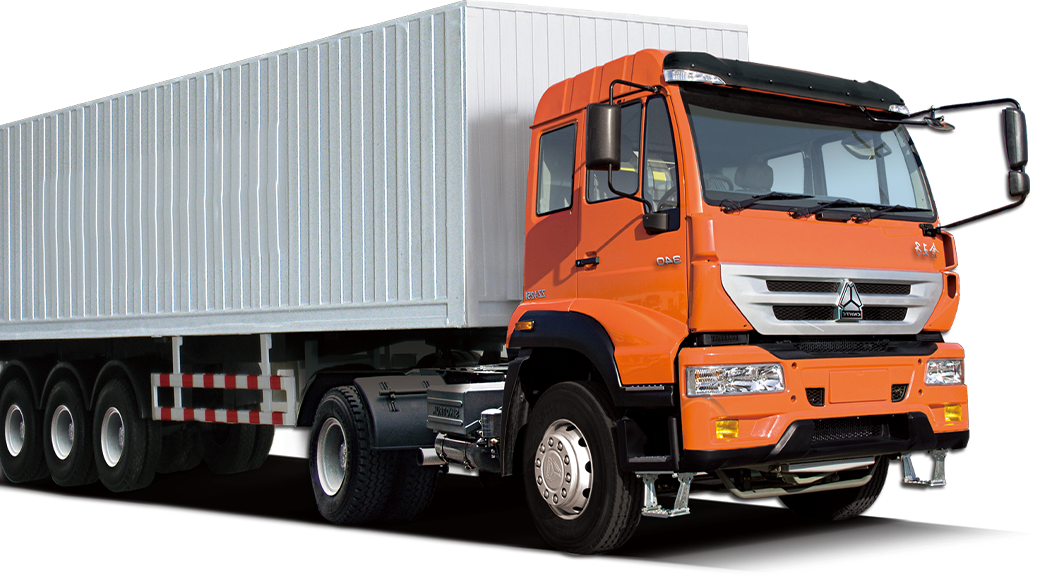
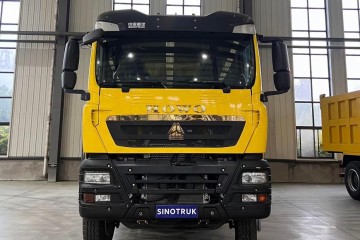
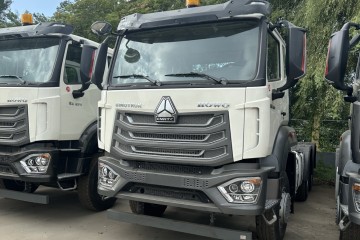
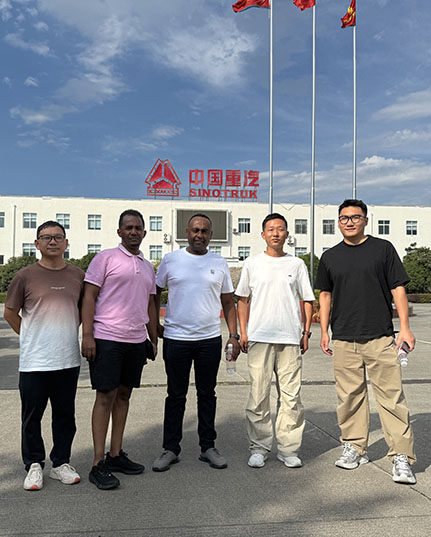
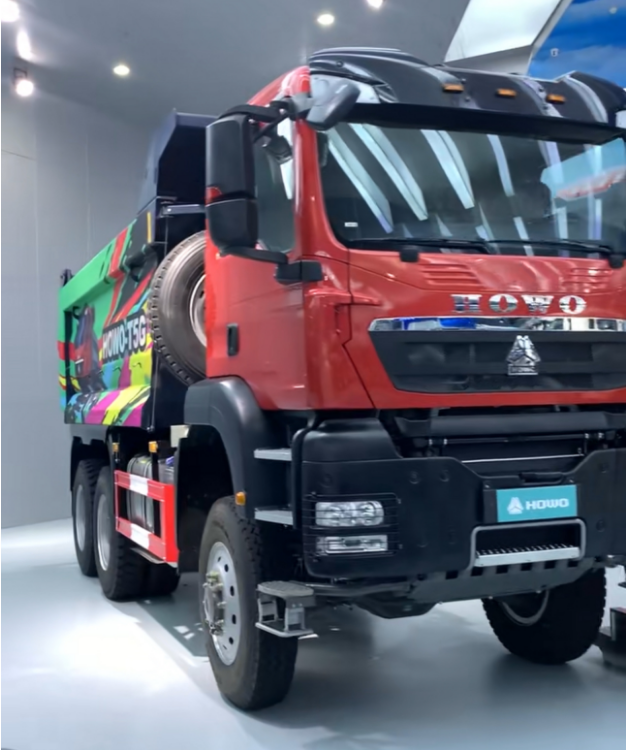
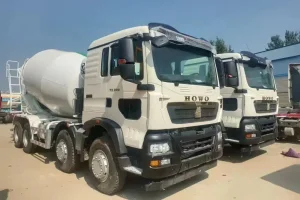
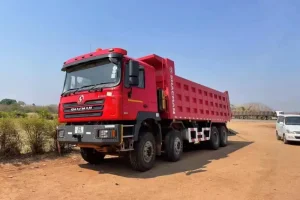
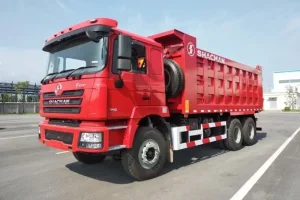
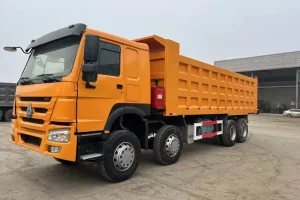
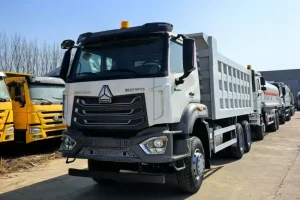
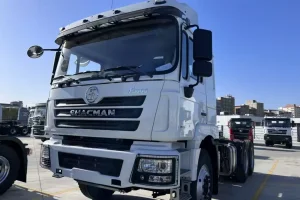
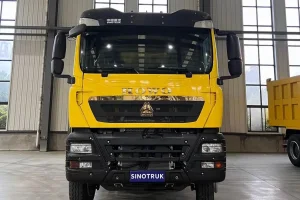
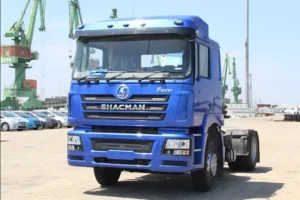
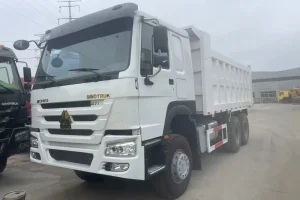
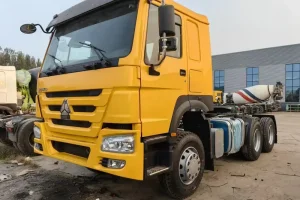
Our product lineup features robust logistical support platforms, including the Shacman F3000 and Sinotruk HOWO series. These heavy dump trucks work alongside earthmovers to handle tough environments, transporting graded material efficiently from excavation zones to processing sites.
5. The Future Roadmap: Electrification, Autonomy, and IoT Telematics
The machinery industry is undergoing significant technological changes. Over the next decade, bulldozer factories will transition toward hybrid and fully electric drivetrains. Hydrostatic drive systems provide an excellent foundation for electric motors, offering precise speed control and high starting torque without complex mechanical shifting.
Furthermore, autonomous navigation systems allow machines to operate via remote telemetry. Using onboard LiDAR, stereo cameras, and centimeter-level RTK positioning, operator-free earthmovers can complete grading passes in high-risk zones, such as unstable slopes or toxic industrial areas.