High-capacity logistics and mixing engineering machinery tailored to withstand challenging tropical island terrains and maritime saline conditions.
A comprehensive study of industrial demand, logistical optimizations, and equipment adaptability in developing island economies.
Developing island nations like São Tomé and Príncipe represent distinct architectural and geological settings in the Gulf of Guinea. As urban expansion escalates in the capital city of São Tomé and regional hubs such as Santo António, local construction companies face complex logistics. Unlike mainland continental markets, the archipelago requires a highly robust framework for transit mixing and concrete delivery. Transporting mixed concrete demands equipment capable of navigating steep volcanic slopes, dealing with coastal salinity, and operating on decentralized job sites far from centralized batch plants.
The construction sector of São Tomé and Príncipe is transitioning from manual, small-scale batching to modern automated concrete engineering. The rehabilitation of road systems (such as the EN1 coastal highway), maritime port improvements, and tourism development projects have changed concrete delivery timelines. Due to the decentralized layout of coastal communities and the rugged interior geography, concrete must often be transported across winding, steep roads where standard mixers struggle.
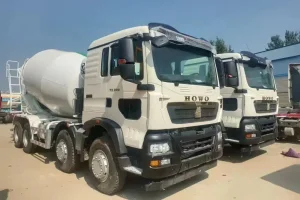
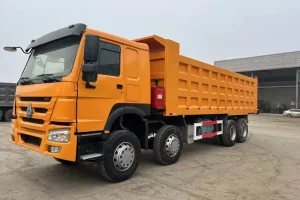
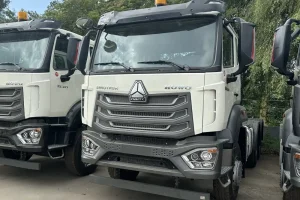
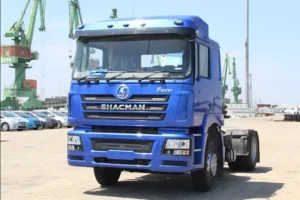
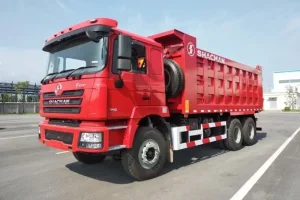
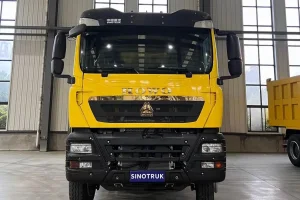
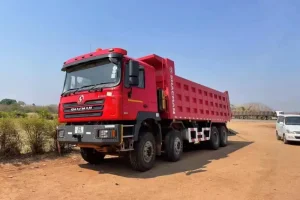
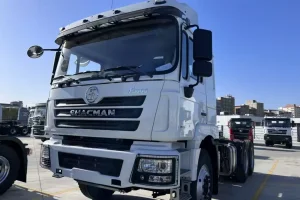
This topography requires heavy-duty mixers with reliable drum rotation mechanics. If a drum stops during transit on a steep volcanic ridge, the concrete will set rapidly in the equatorial heat. The integration of 6*4 and 8*4 heavy-duty chassis, like those provided by Sinotruk HOWO and Shacman F3000 platforms, offers the high torque and chassis rigidity needed to manage shifting liquid loads on unpaved coastal and inland pathways.
To operate reliably in a maritime tropical environment, engineering specifications must target three core areas: anti-corrosion protection, powertrain thermal efficiency, and mechanical chassis stability.
China's heavy industrial manufacturing offers a reliable supply chain for overseas construction enterprises. Manufacturers like Shacman and Sinotruk produce highly resilient machinery at scale, with modular designs that simplify parts replacement. This standardisation is highly beneficial in São Tomé, where keeping custom parts in inventory can be difficult.
Using standard components across different models—such as interchangeable cabin parts, air filters, and hydraulic line fittings—means that fleet operations can run with minimal downtime. Fast shipping channels from Chinese ports like Shanghai and Qingdao to the Port of São Tomé, often with transshipment support through regional hubs in Gabon or Angola, help ensure that replacement parts and new fleet additions arrive reliably.
Operating heavy machinery in developing countries requires adapting to local fuel characteristics and emission guidelines. São Tomé and Príncipe primarily imports diesel fuels that may have varying sulfur concentrations. Standardizing fleets with Euro II, Euro III, or Euro IV engines prevents the particulate filter failures often seen in Euro VI vehicles in these conditions.
Simpler exhaust configurations run reliably on local fuel supplies, avoiding fuel-system blockages. Fleet operators can maintain these mechanical fuel injection systems using local technician knowledge, bypassing the need for proprietary computer diagnostics that can delay repairs on remote island sites.
Take a virtual walk through our advanced preparation yard and assembly validation lines through the interactive window below.
Founded in Deyang City, Sichuan Province, China, our company initially focused on heavy-duty truck trading within the domestic market, building a strong local sales network. Over the years, we have expanded globally, establishing ourselves as a reliable exporter of robust heavy-duty trucks, dumpers, and transit concrete mixers to developing infrastructure markets.
Request Custom Logistics QuoteFrom pre-sale configuration audits to secure maritime transit delivery and local warranty support.
Thoroughly understand customers' transportation needs, such as cargo types, routes, and load requirements, to recommend the most suitable models and configurations.
Conduct a comprehensive check of each truck, including performance tuning and safety tests, to ensure the vehicle is delivered in optimal working condition.
Provide secure packing, anti-corrosive prep, and sea freight booking to ensure safe delivery to the Port of São Tomé or other regional West African terminals.
Establish a clear warranty policy outlining coverage, terms, and periods, combined with remote technical assistance and parts delivery.
We collaborate with top-tier truck builders and component manufacturers to ensure consistent field reliability.


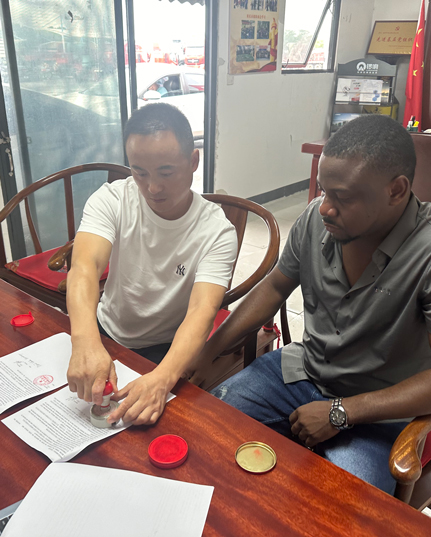
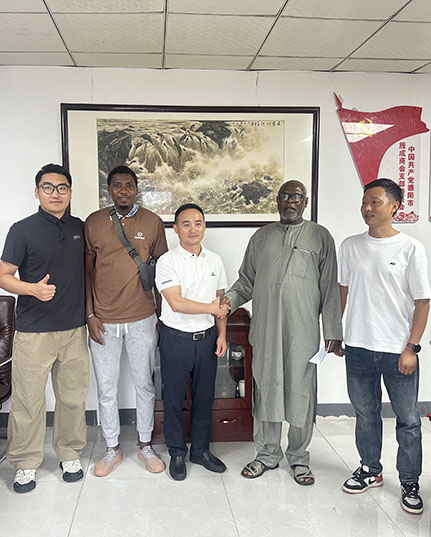
Read feedback from project managers and logistics coordinators operating in challenging environments.
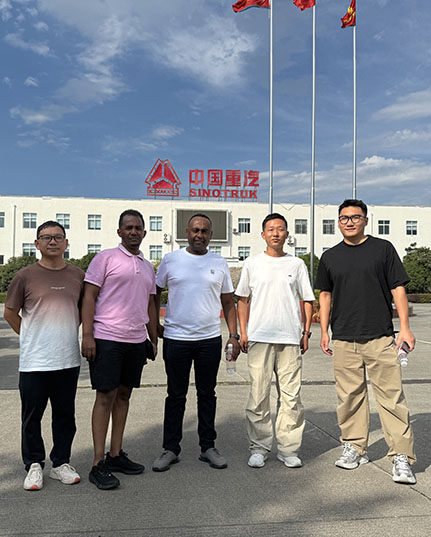
Technical answers regarding concrete mixers, configurations, customs, and operations in São Tomé and Príncipe.
Technical articles explaining engineering trends, updates, and maintenance guidelines for construction equipment.
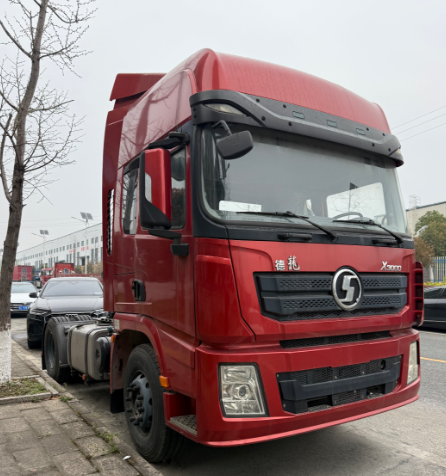
An overview of the engineering updates to Weichai-powered Shacman platforms designed to handle sustained tropical operations and high cooling demands.
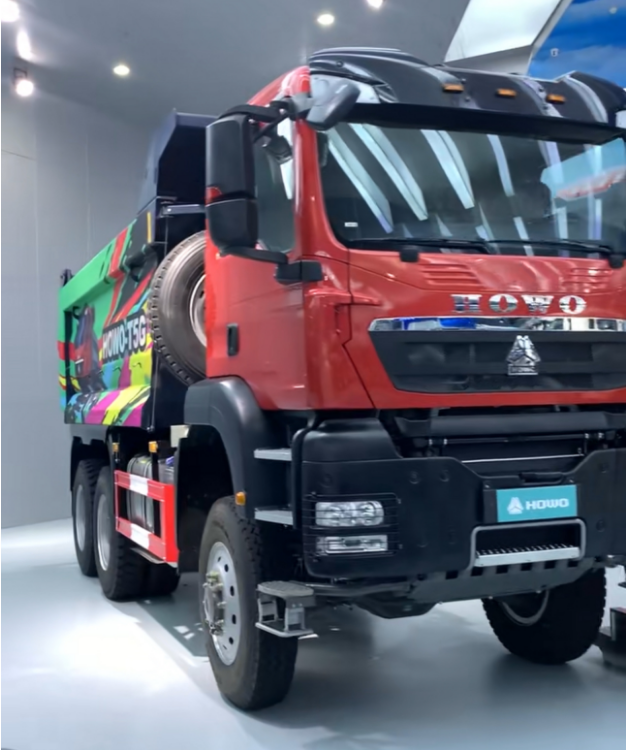
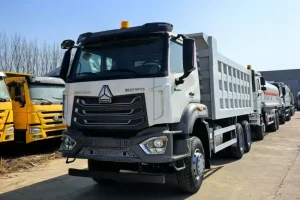
Detailing the expanding role of Sinotruk HOWO tippers and transit mixers in supporting transport networks and infrastructure in developing island nations.

Best practices for concrete transit mixing operations, addressing drum rotational speeds and hydraulics when traversing hilly terrain in hot climates.
Select from our range of reliable dumpers, tractors, and concrete mixers configured for African export markets.
 Hongkai Auto